
The Power of the Humble Kidney Bean
Kidney beans might look simple, but they are one of the most powerful plant-based staples you can keep in your pantry.
Named for their deep red color and kidney-like shape, these hearty legumes are used in cuisines all over the world—from chili and curries to stews, salads, and even surprisingly delicious desserts. They are affordable, versatile, and packed with nutrients that support heart health, digestion, steady energy, and plant-based protein goals.
If you are building a more compassionate plate (or just trying to eat more filling, budget-friendly meals), kidney beans deserve serious attention.
In this guide, you'll learn:
- What kidney beans are and where they come from
- Their nutrition profile and key health benefits
- Why they are a powerhouse for plant-based eating
- And 20 flavorful vegan recipes to put them to delicious use
Whether you are a longtime bean lover or just bean-curious, this is your complete breakdown of why kidney beans are more than just "chili fillers." They are a nutritional powerhouse hiding in plain sight—and they might just become your new favorite protein source. 🌱
What Are Kidney Beans & Where Do They Come From?
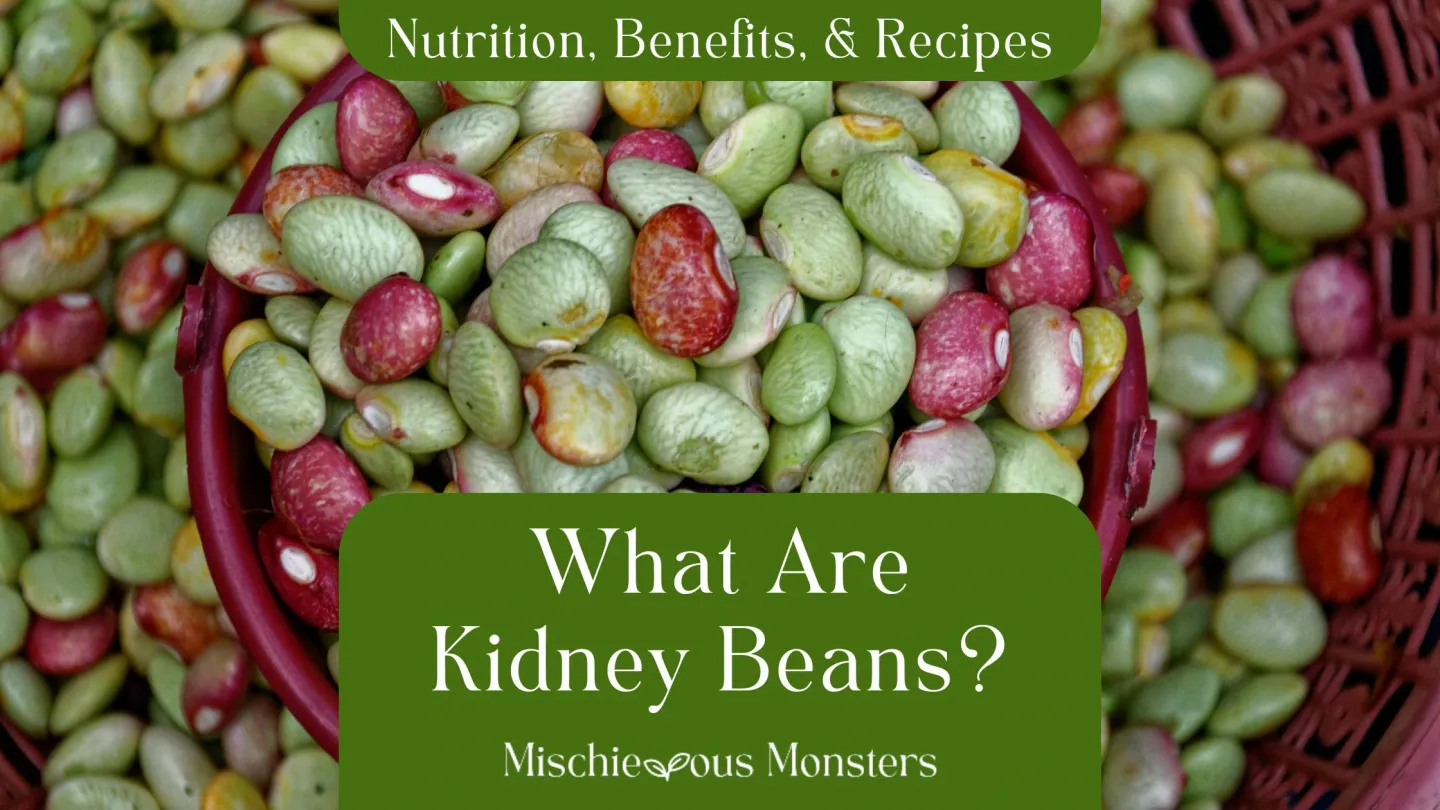
Kidney beans are a type of legume known for their deep red color, firm texture, and distinctive kidney-shaped appearance. They belong to the species Phaseolus vulgaris, also known as the common bean, which is in the same family as black beans, pinto beans, and navy beans.
Originally cultivated in Central and South America thousands of years ago, kidney beans spread globally through trade and exploration. Today, they are grown in many parts of the world, including the United States, India, China, Brazil, and East Africa. Because they adapt well to different climates, they have become a staple in diverse cuisines across cultures.
You'll find kidney beans in:
- Mexican and Tex-Mex dishes like chili
- Indian curries such as rajma
- Caribbean stews
- Southern-style red beans and rice
- Mediterranean salads and soups
There are also different varieties, including dark red kidney beans, light red kidney beans, and white kidney beans (often called cannellini beans). While they vary slightly in flavor and texture, they share similar nutritional benefits.
Affordable, filling, and widely available in both dried and canned forms, kidney beans have earned their place as a global plant-based staple—one that delivers both comfort and nutrition in every bite.
10 Amazing Health Benefits of Eating Kidney Beans
Kidney beans offer numerous health benefits, thanks to their rich nutrient content:
1. Supports Heart Health
Kidney beans are rich in soluble fiber, potassium, and folate, all of which contribute to cardiovascular health.
The fiber helps lower LDL (bad) cholesterol, reducing the risk of heart disease, while potassium supports healthy blood pressure levels.
Folate plays a crucial role in lowering homocysteine levels, a key factor in heart disease prevention.
2. High in Plant-Based Protein
A powerhouse of plant protein, kidney beans are an excellent meat alternative for vegans, vegetarians, and anyone looking to cut back on animal products.
One cup of cooked kidney beans provides around 13 grams of protein, essential for muscle repair, immune function, and overall well-being.
3. Aids in Blood Sugar Control
Kidney beans have a low glycemic index, meaning they release glucose slowly into the bloodstream, preventing sudden spikes in blood sugar.
Their high fiber and protein content slow carbohydrate digestion, making them an excellent choice for individuals managing diabetes or insulin resistance.
4. Promotes Healthy Digestion
Packed with dietary fiber, kidney beans support digestive health by promoting regular bowel movements and preventing constipation.
Plus, they nourish beneficial gut bacteria, which play a key role in digestion, immunity, and even mental health.
5. Helps with Weight Management
The combination of fiber and protein in kidney beans helps keep you full for longer, reducing overall calorie intake and supporting weight loss.
By curbing hunger and promoting satiety (feeling full), kidney beans can be a valuable addition to a balanced diet for those looking to maintain a healthy weight.
6. Rich in Antioxidants
Kidney beans contain powerful antioxidants, including flavonoids and polyphenols, which help combat oxidative stress and protect cells from damage.
These compounds help lower the risk of chronic diseases such as heart disease, diabetes, and certain cancers.
7. Provides Essential Minerals for Bone Health
Kidney beans are a great source of bone-strengthening minerals like calcium, magnesium, and phosphorus.
These nutrients play a key role in maintaining bone density and reducing the risk of osteoporosis, especially as we age.
8. Boosts Iron Levels
As a good source of non-heme iron, kidney beans help prevent iron deficiency anemia by supporting red blood cell production.
Pairing kidney beans with vitamin C-rich foods (such as bell peppers or citrus fruits) can enhance iron absorption for maximum benefits.
9. Strengthens the Immune System
Kidney beans provide essential nutrients like zinc and B vitamins, which play a crucial role in immune function.
Zinc supports immune cell development, helping the body fight infections, while B vitamins contribute to overall immune health.
10. Supports Energy and Metabolism
The complex carbohydrates in kidney beans provide a steady source of energy, preventing fatigue and boosting endurance throughout the day.
In addition, B vitamins in kidney beans help convert food into energy, keeping metabolism functioning efficiently.
Incorporating kidney beans into your diet, whether in chili, stews, salads, or even as a side dish, is an easy and delicious way to reap these numerous health benefits while adding variety and flavor to your meals.
Nutritional Highlights of Cooked Kidney Beans (Per 100g)
| Nutrient | Amount (Metric) | Amount (Imperial) |
|---|---|---|
| Calories | 127 kcal | 127 kcal |
| Protein | 8.7 g | 0.31 oz |
| Carbohydrates | 22.8 g | 0.80 oz |
| Fiber | 6.4 g | 0.23 oz |
| Fat | 0.5 g | 0.02 oz |
| Folate (Vitamin B9) | 130 µg (33% DV) | 130 µg (33% DV) |
| Iron | 2.9 mg (16% DV) | 0.10 oz (16% DV) |
| Magnesium | 45 mg (11% DV) | 0.0016 oz (11% DV) |
| Potassium | 403 mg (11% DV) | 0.0142 oz (11% DV) |
| Vitamin C | 0.2 mg (0% DV) | 0.000007 oz (0% DV) |
Kidney beans are a terrific source of plant-based protein and fiber, which support muscle repair, digestive health, and weight management. Rich in heart-healthy nutrients such as potassium and magnesium, they help maintain healthy blood pressure and reduce cholesterol levels. Additionally, kidney beans provide antioxidants and essential vitamins that strengthen the immune system and promote overall well-being.
20 Flavorful Vegan Recipes with Kidney Beans
 Bastian Durward
 Alissa Saenz
 Megan McFadden
 Sina
Sina
 Eva Agha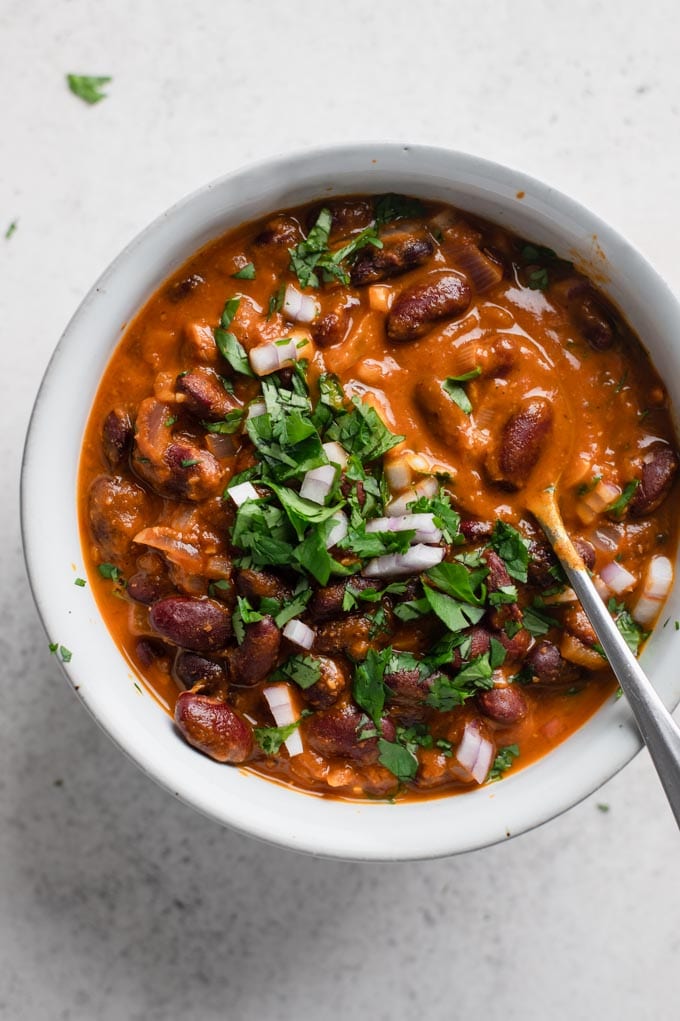
 Nicole
 Charla
 Vaishali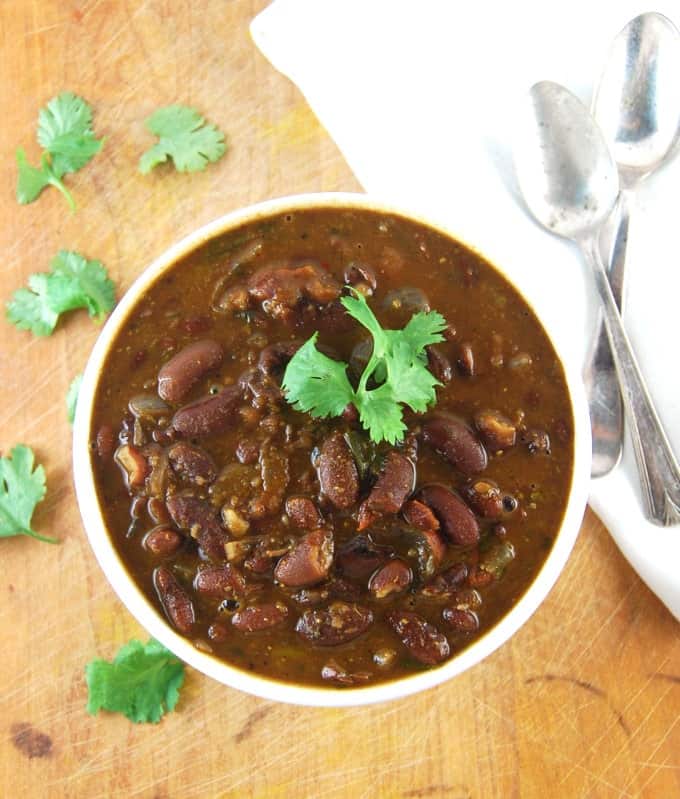
 Jhanelle Golding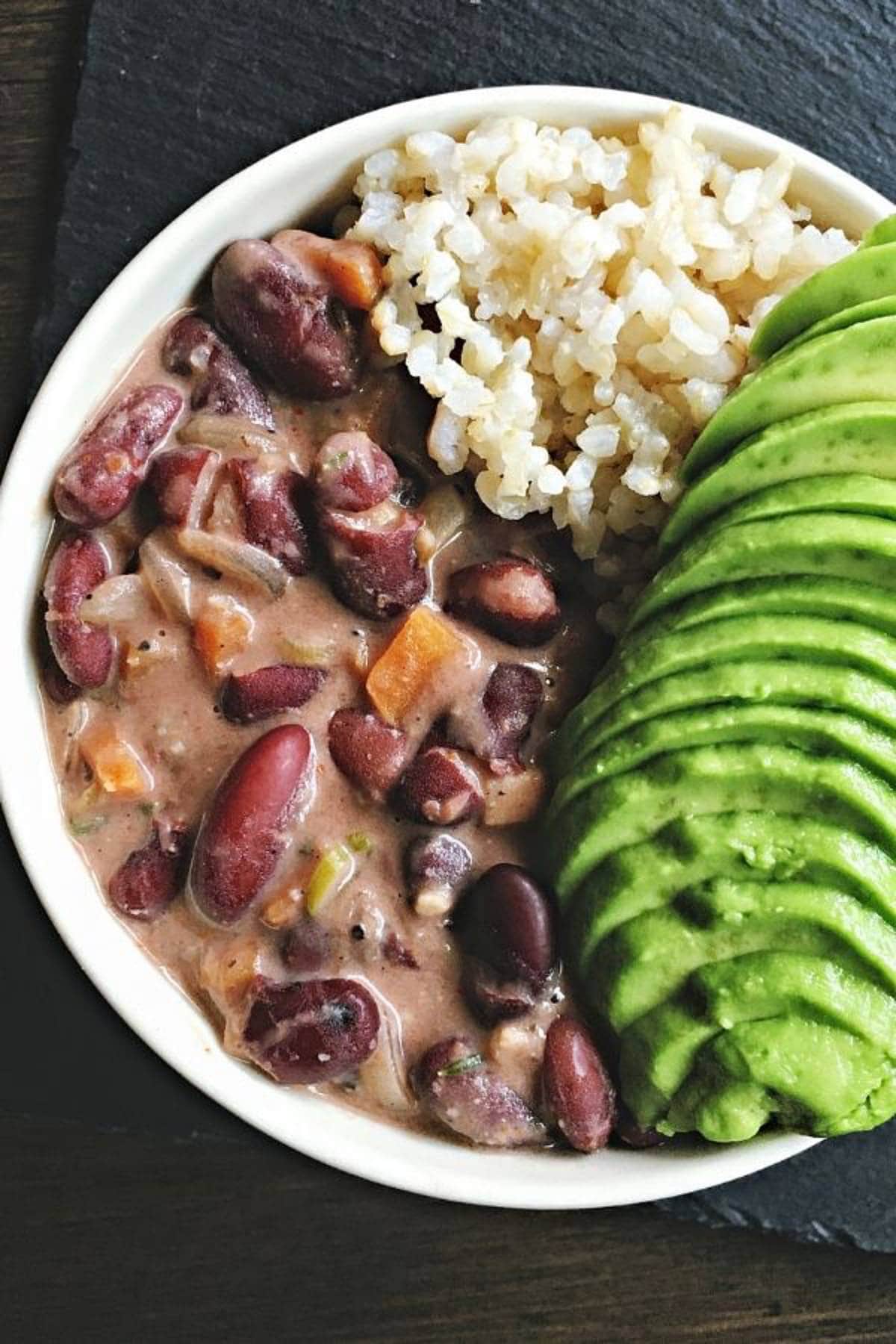
 Melanie McDonald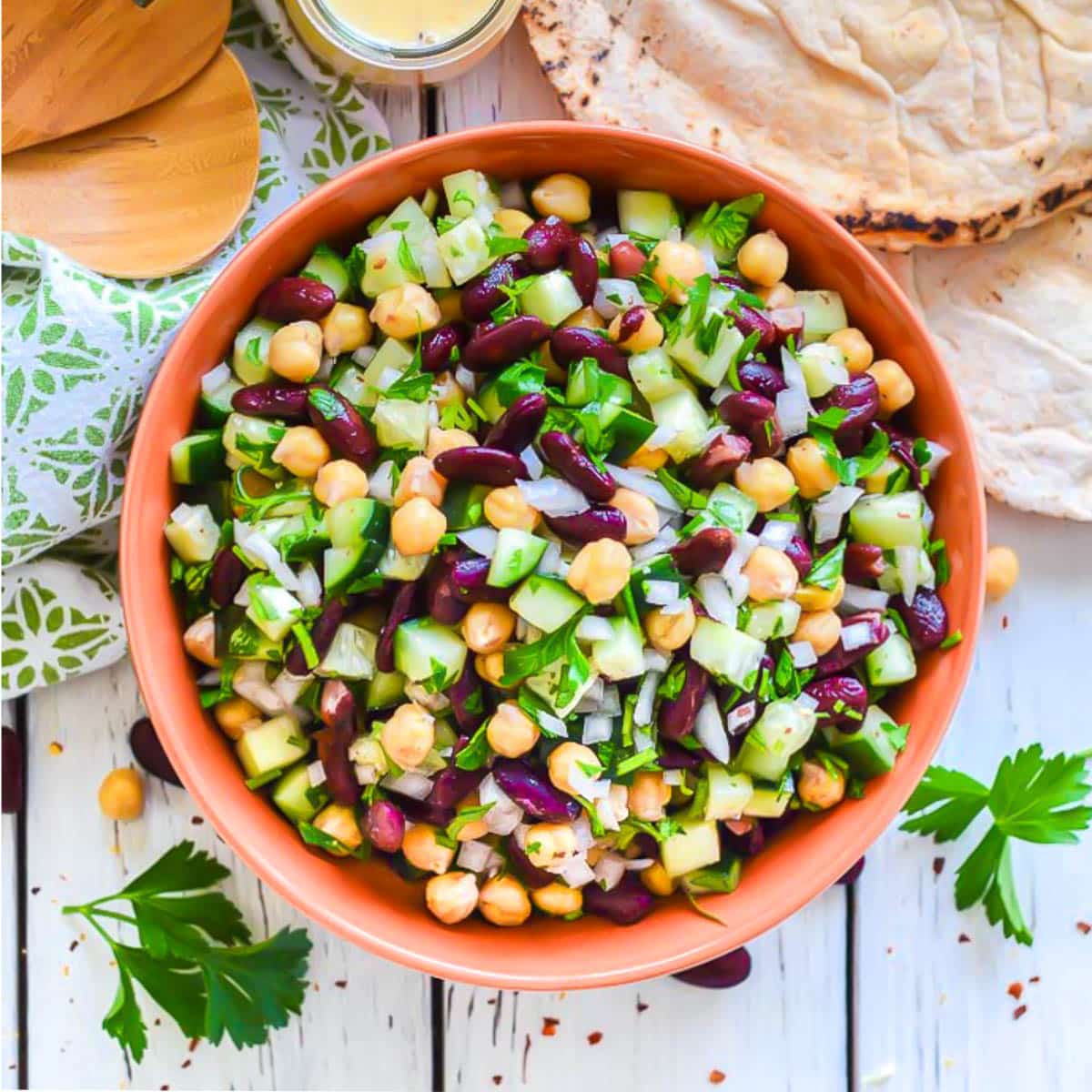
 Brandi Doming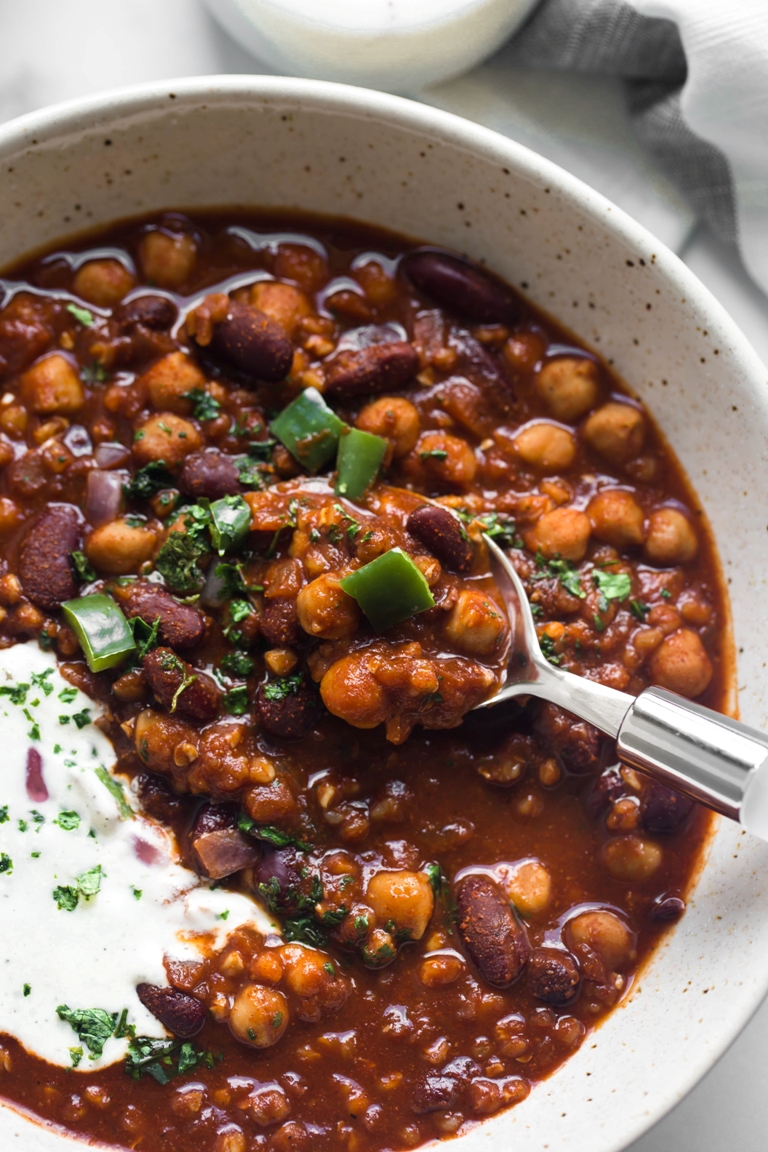
 Sharon Palmer RD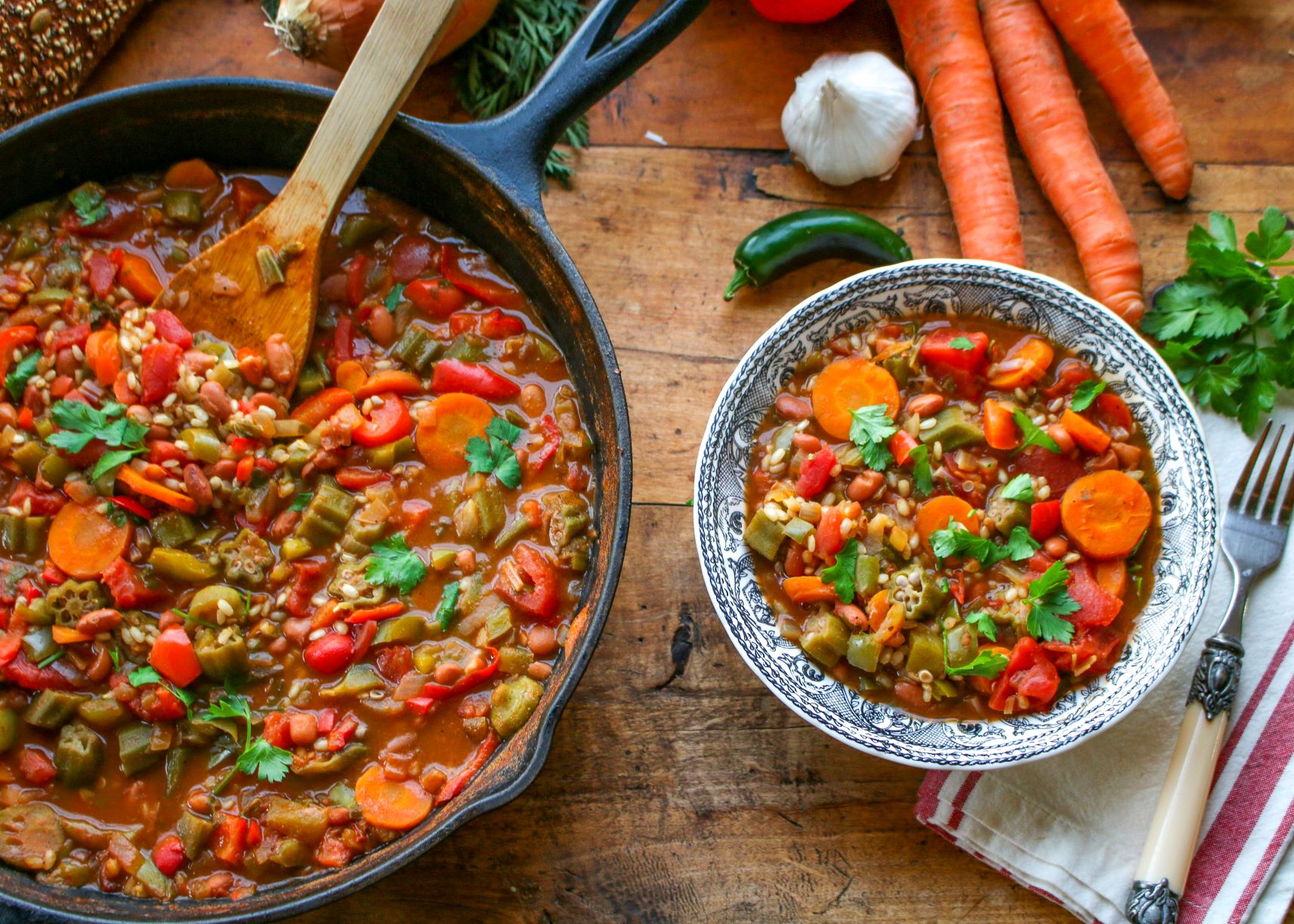
 Abi Olayiwola
 Jhanelle Golding
 Rosie
Rosie
 Alexandra Shytsman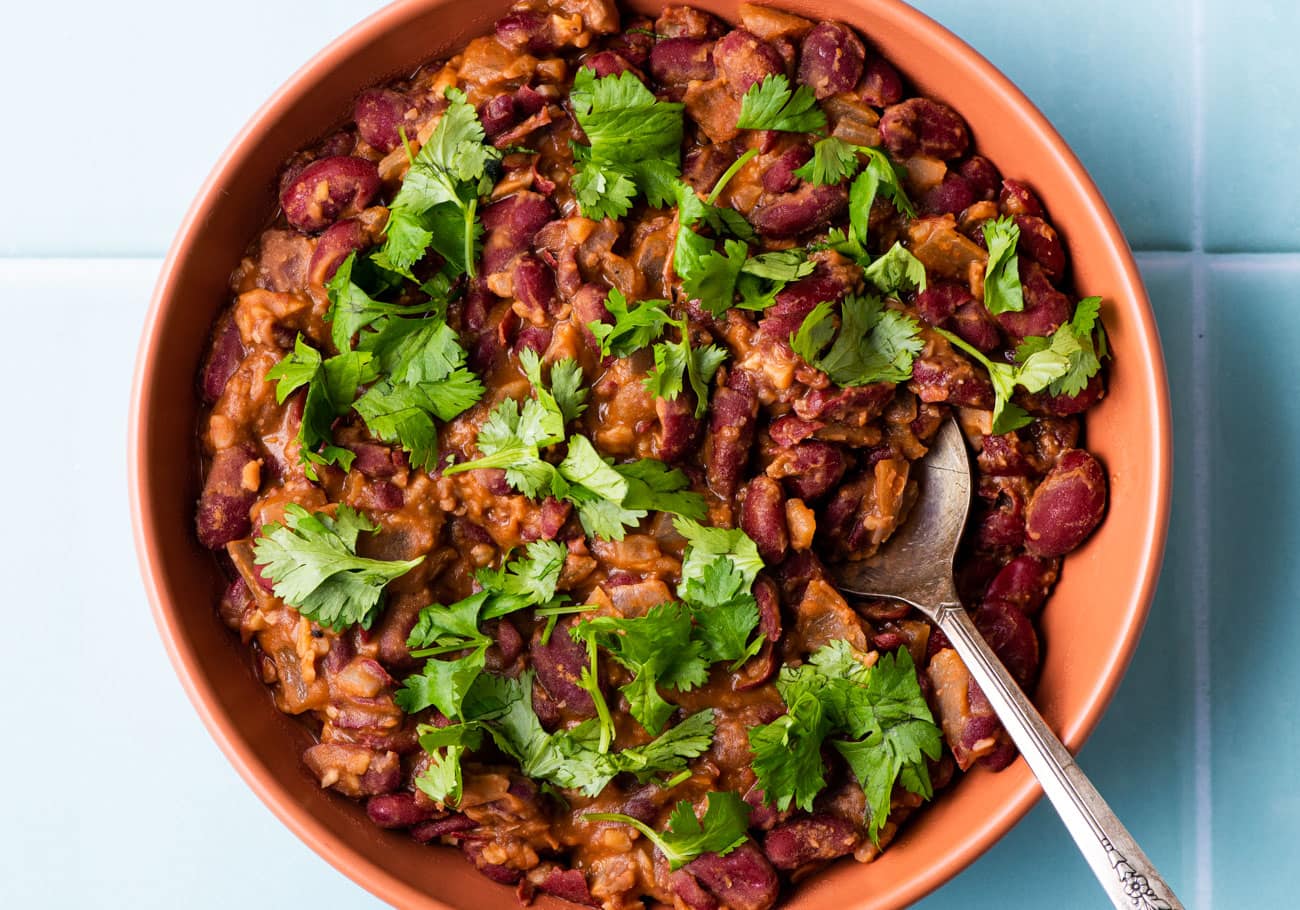
 Charla
 Richa
Richa
 Julie | The Simple Veganista
 Sina
Sina
The Bean That Does It All
Kidney beans are proof that simple pantry staples can deliver a serious impact.
They are rich in plant-based protein, packed with fiber, loaded with essential minerals, and versatile enough to show up in everything from chili and curry to burgers and brownies. Whether you are focused on heart health, steady energy, muscle support, or just building satisfying vegan meals, kidney beans check every box.
They are affordable. They are accessible. And they are incredibly adaptable.
If you are looking to eat more plants without overcomplicating your kitchen routine, start here. Add a can to your next soup. Toss them into a salad. Blend them into a hearty spread. Let them take center stage in your next weeknight dinner.
Sometimes the most powerful foods are not trendy superfoods. They are the humble staples that quietly fuel your body and support your goals.
Kidney beans may be small, but they deliver big.


More Bean Inspo
 Megan McFadden
 Megan McFadden
 Megan McFadden
 Megan McFadden
 Megan McFadden

Meat Alternatives
 Megan McFadden
 Megan McFadden
 Megan McFadden
 Megan McFadden