Why Chickpeas Deserve a Place in Your Pantry
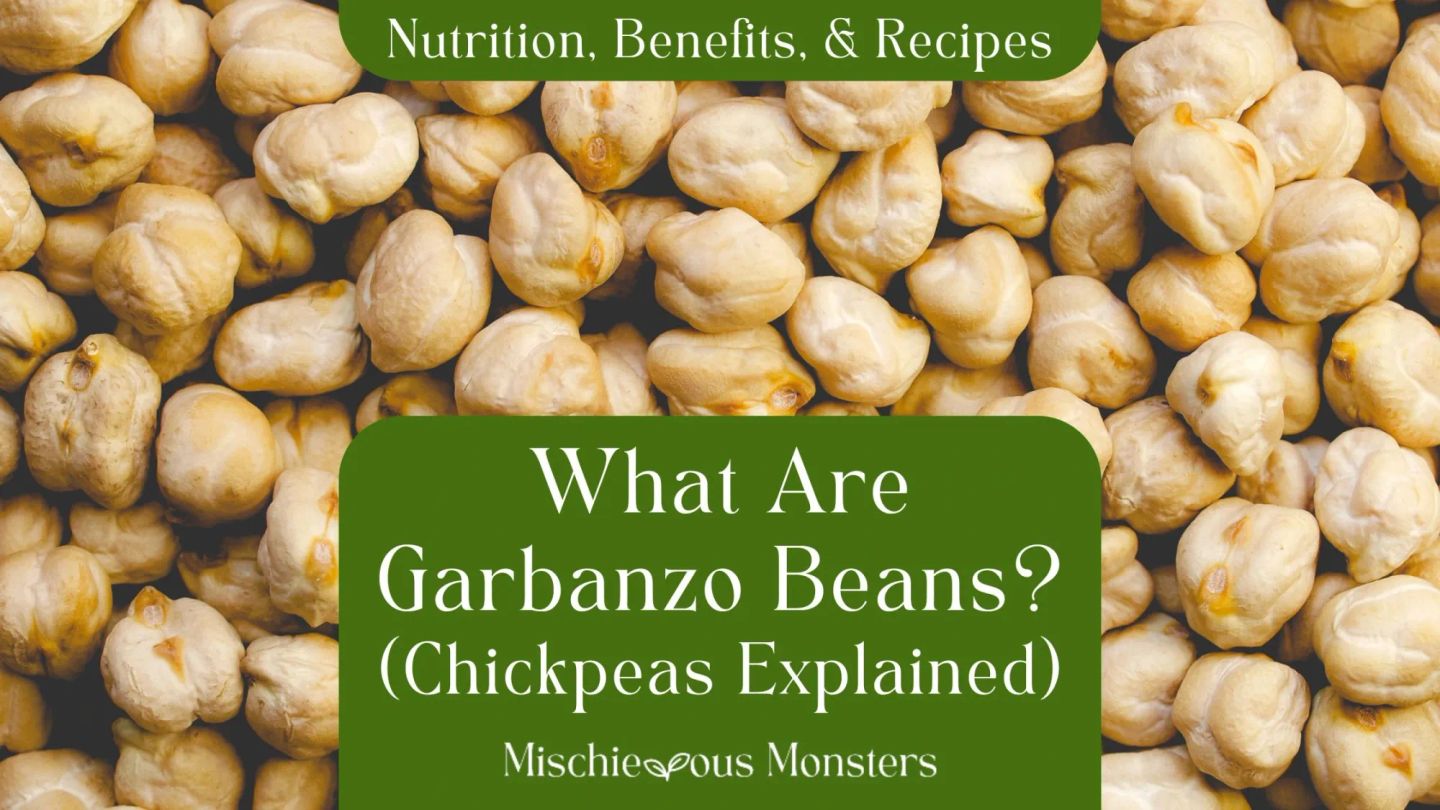
Chickpeas, also known as garbanzo beans, are one of the most versatile, affordable, and nutrient-dense foods you can keep in your kitchen.
From creamy hummus and hearty stews to crispy roasted snacks and even surprisingly delicious desserts, these humble legumes show up in countless plant-based meals around the world.
But chickpeas aren't just convenient. They're powerful in the nutrition department. Packed with plant-based protein, fiber, essential minerals, and antioxidants, they support heart health, digestion, stable blood sugar, and overall wellness.
Whether you're new to plant-based eating or simply looking to upgrade your pantry staples, this guide will show you why chickpeas belong on your grocery list and how to use them in practical, flavorful ways.

10 Reasons to Make Garbanzo Beans a Staple in Your Diet
1. A Protein-Packed Powerhouse
Garbanzo beans are an excellent source of plant-based protein, making them a great addition to any diet.
One cup of cooked garbanzo beans provides about 15 grams of protein, essential for muscle building, tissue repair, and overall body function.
2. Rich in Fiber
Chickpeas are high in fiber, which helps improve digestion and promotes a healthy gut.
Garbanzo beans' fiber content also helps regulate bowel movements, prevent constipation, and maintain a healthy digestive system.
Additionally, fiber helps you feel full longer, which can assist in weight management.
3. Supports Heart Health
Garbanzo beans are rich in heart-healthy nutrients, including fiber, folate, and magnesium.
The soluble fiber found in chickpeas can help lower LDL (harmful) cholesterol levels, reducing the risk of heart disease.
Magnesium, necessary for heart function, also helps regulate blood pressure and prevent cardiovascular issues.
4. Helps Regulate Blood Sugar
Garbanzo beans have a low glycemic index, which helps regulate blood sugar levels. The combination of protein and fiber in chickpeas slows down the absorption of sugar into the bloodstream, preventing spikes in blood sugar.
This legume is an excellent choice for individuals with diabetes or those looking to maintain stable blood sugar levels.
5. Rich in Antioxidants
Garbanzo beans are a good source of antioxidants, such as polyphenols, which protect the body from oxidative stress and inflammation.
These antioxidants may help reduce the risk of chronic conditions such as cancer, diabetes, and heart disease by neutralizing harmful free radicals.
6. Good for Bone Health
Chickpeas are rich in essential minerals, including calcium, magnesium, and phosphorus, which are critical for maintaining strong, healthy bones.
Regular consumption of garbanzo beans may help prevent bone-related conditions, such as osteoporosis, and promote overall bone strength.
7. Supports Weight Loss
Due to their high fiber and protein content, garbanzo beans are great for promoting satiety (feeling full after eating) and controlling hunger.
Their ability to keep you full for extended periods makes them an excellent choice for those who want to lose or maintain weight.
Garbanzo beans are also low in fat, making them a healthy, filling food that can aid in weight management.
8. Improves Skin Health
Garbanzo beans contain nutrients such as zinc, B vitamins, and antioxidants that can help promote healthy skin.
Zinc, in particular, plays a role in collagen production, wound healing, and fighting acne.
The high fiber content also supports detoxification, which can help maintain clear and glowing skin.
9. Improves Digestive Health
The soluble and insoluble fiber found in garbanzo beans contributes to overall gut health.
Fiber promotes the growth of healthy gut bacteria, improves digestion, and supports nutrient absorption, helping prevent digestive disorders like bloating and constipation.
10. Boosts Immune Function
Garbanzo beans contain various vitamins and minerals, such as vitamin C, B vitamins, and zinc, which are essential for immune system health.
Regular consumption of garbanzo beans can help support the body's natural defenses, helping it fight infections and illnesses.
Incorporating garbanzo beans into your diet, whether in salads, stews, hummus, or even as a snack, is a delicious and easy way to enjoy these numerous health benefits.
Nutritional Highlights of Cooked Chickpeas (Per 100g)
| Nutrient | Amount (Metric) | Amount (Imperial) |
|---|---|---|
| Calories | 164 kcal | 164 kcal |
| Protein | 8.9 g | 0.31 oz |
| Carbohydrates | 27.4 g | 0.97 oz |
| Fiber | 7.6 g | 0.27 oz |
| Fat | 2.6 g | 0.09 oz |
| Folate (Vitamin B9) | 172 µg (43% DV) | 172 µg (43% DV) |
| Iron | 2.9 mg (16% DV) | 0.10 oz (16% DV) |
| Magnesium | 48 mg (12% DV) | 0.0017 oz (12% DV) |
| Potassium | 291 mg (8% DV) | 0.0103 oz (8% DV) |
| Vitamin C | 1.3 mg (2% DV) | 0.00005 oz (2% DV) |
Chickpeas are packed with plant-based protein and fiber, supporting muscle repair, digestion, and weight management. Rich in potassium, folate, and antioxidants, they help promote heart health, regulate blood sugar, and protect against oxidative stress. With their immune-boosting nutrients and skin benefits, chickpeas are a versatile and nutritious addition to any diet.
20 Delicious Vegan Garbanzo Bean Recipes You Need to Try
Warning: these chickpea recipes might ruin boring dinners forever. From savory to sweet, this mighty little bean is about to surprise you.
 Nisha
Nisha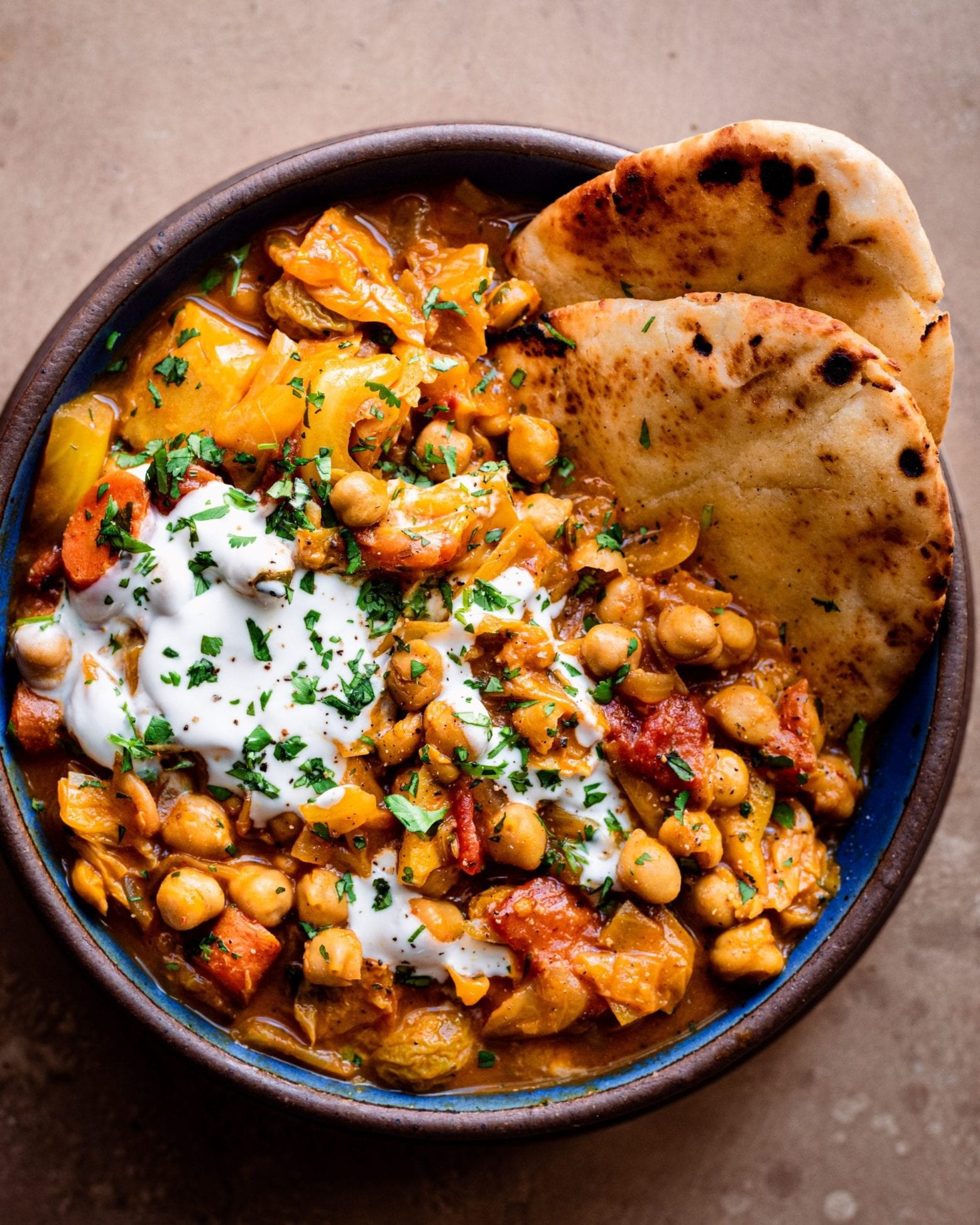
 carleigh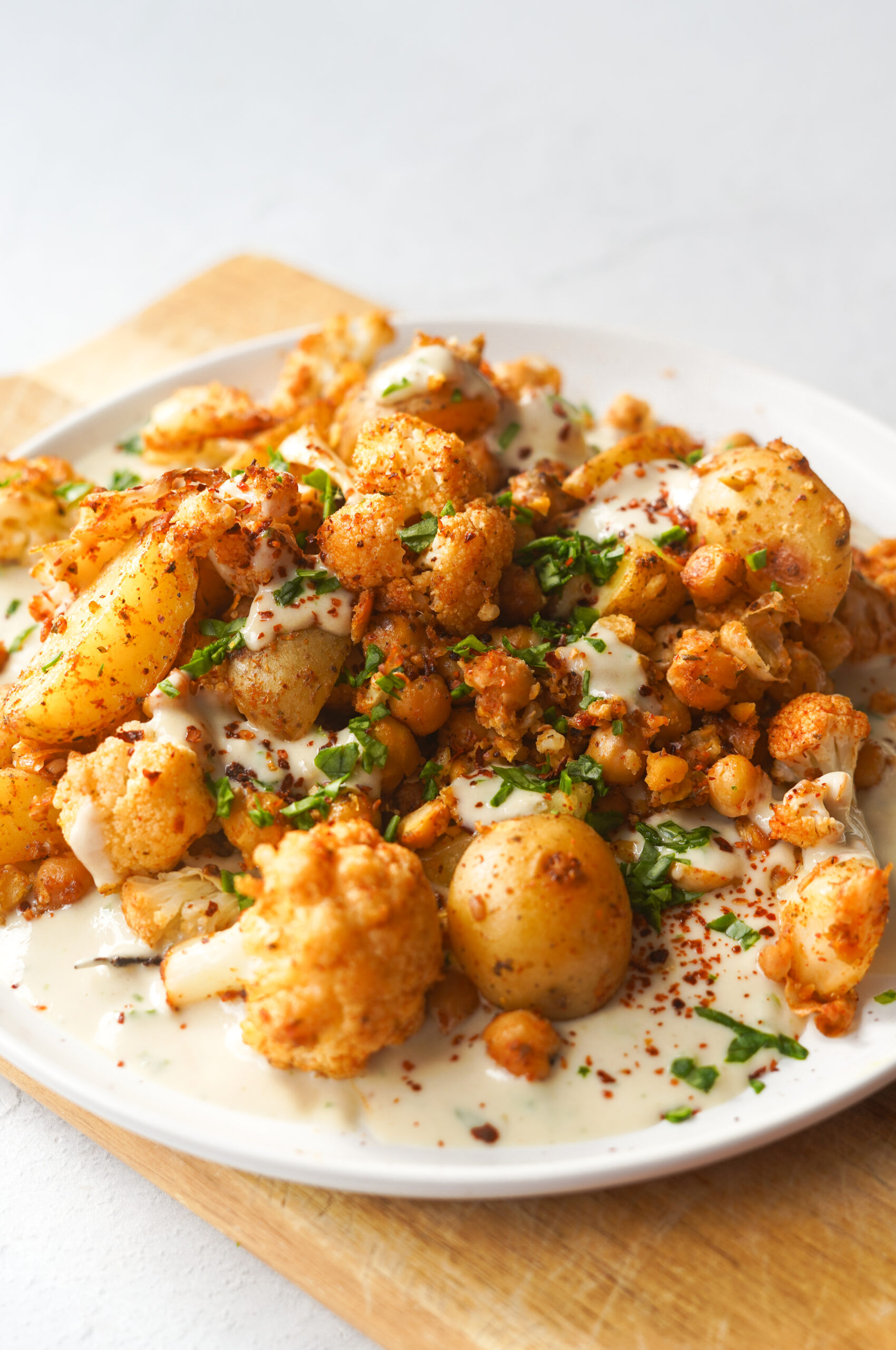
 Julia
Julia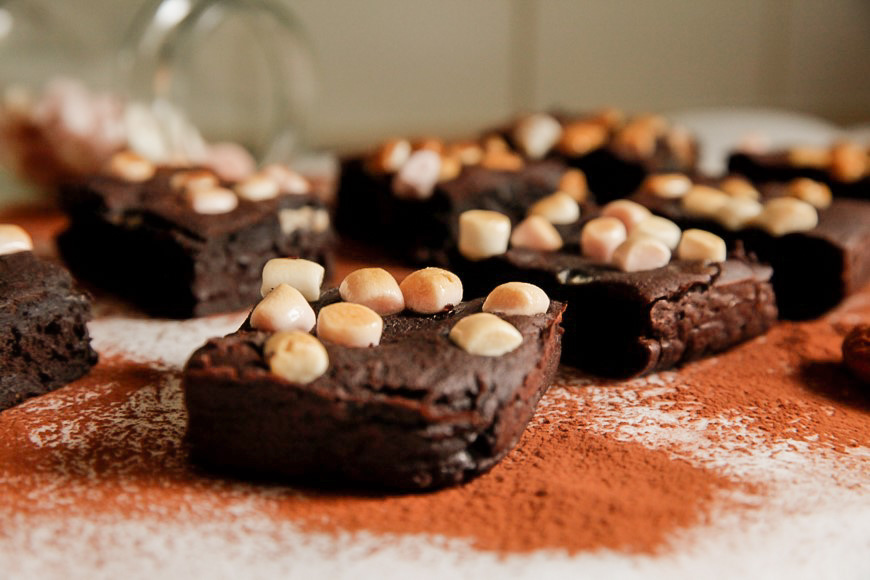
 Catherine Perez
 Kate
Kate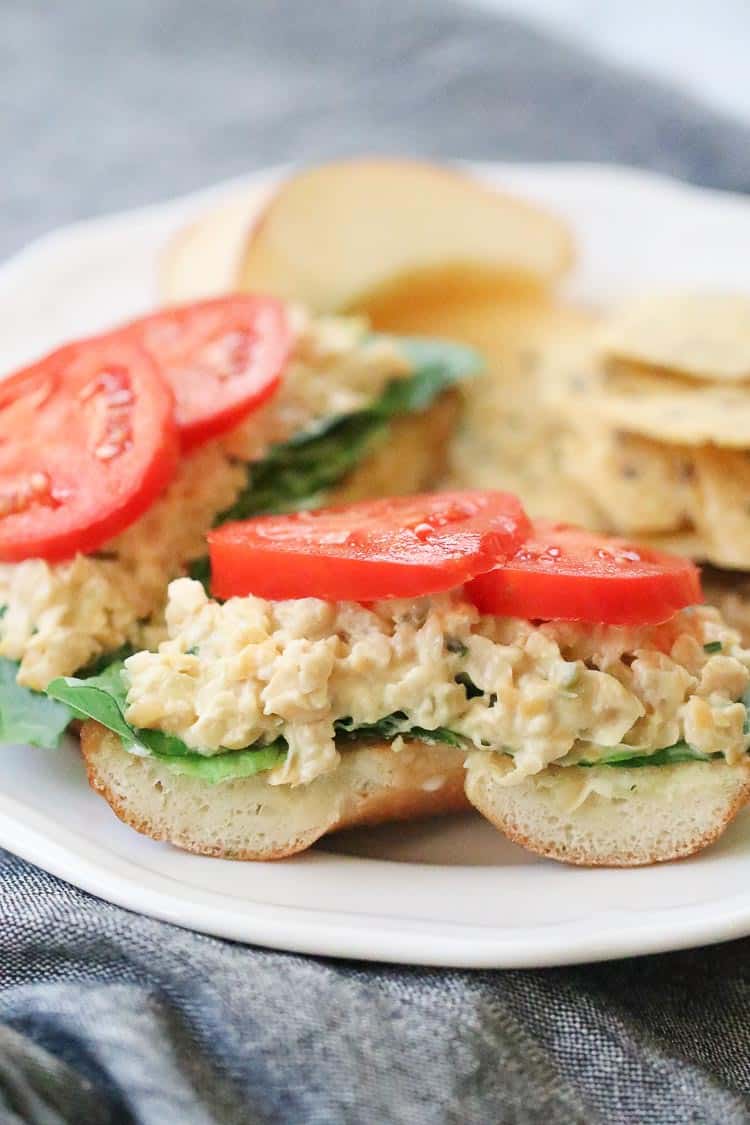
 Elaine Skiadas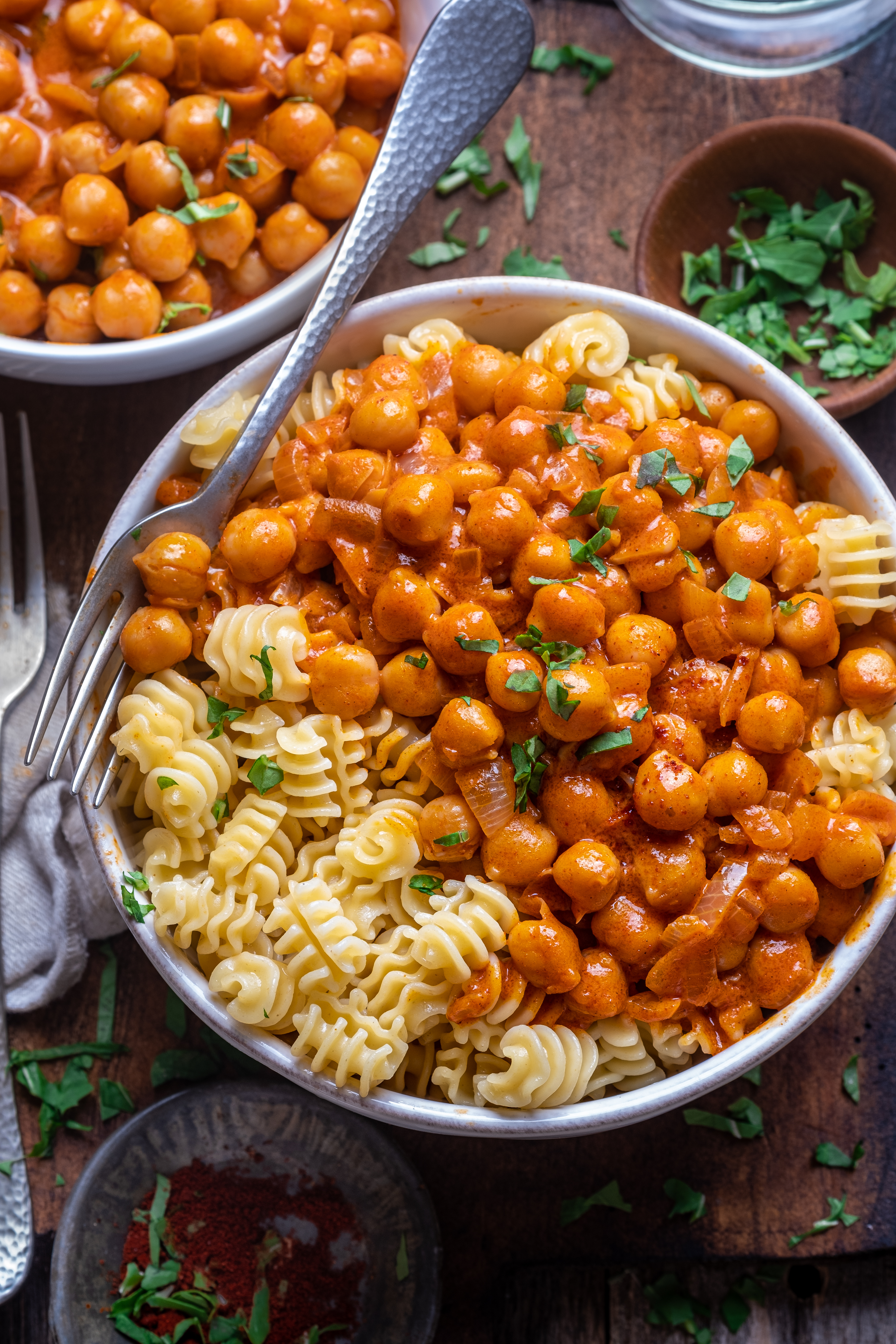
 Elizabeth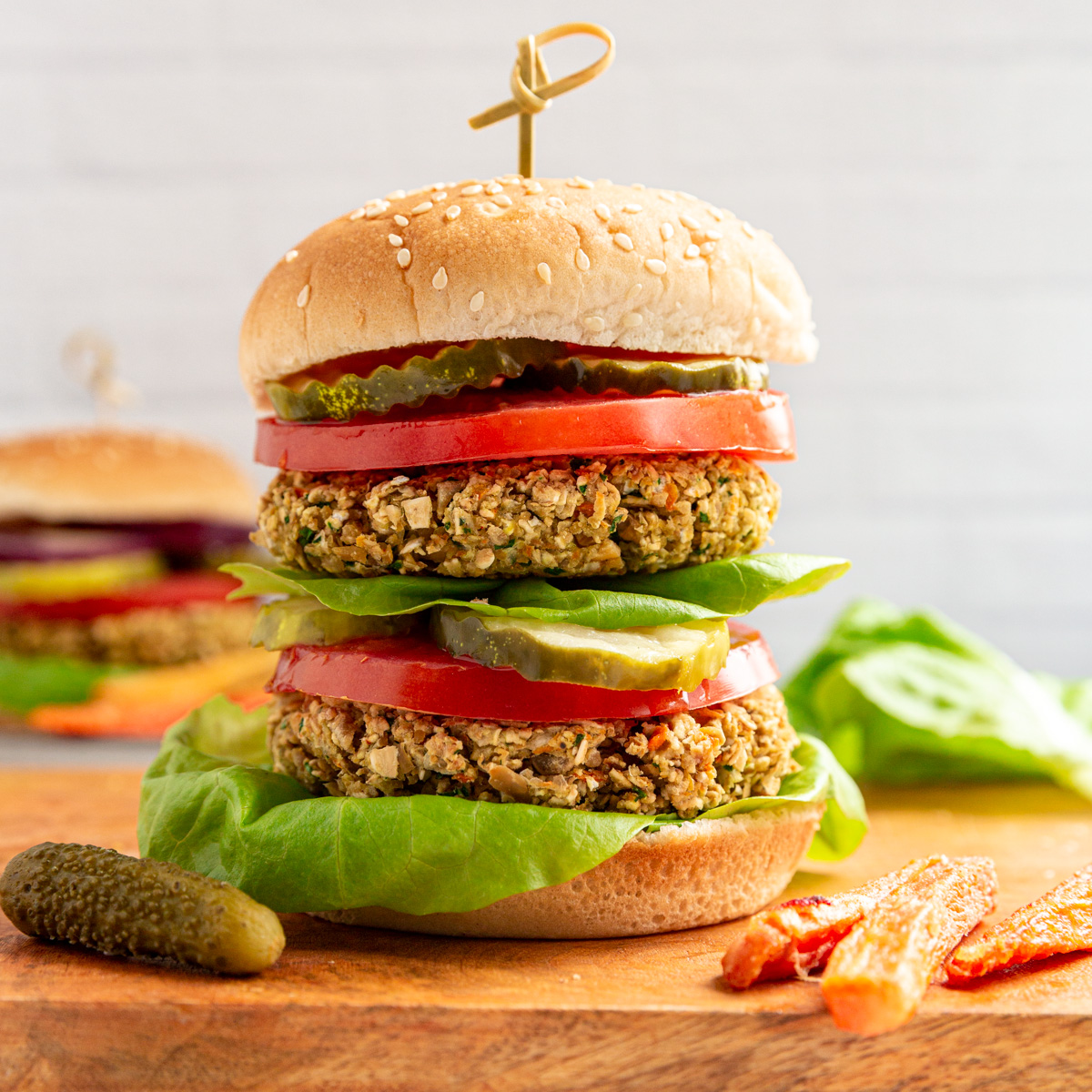
 Beauty Bites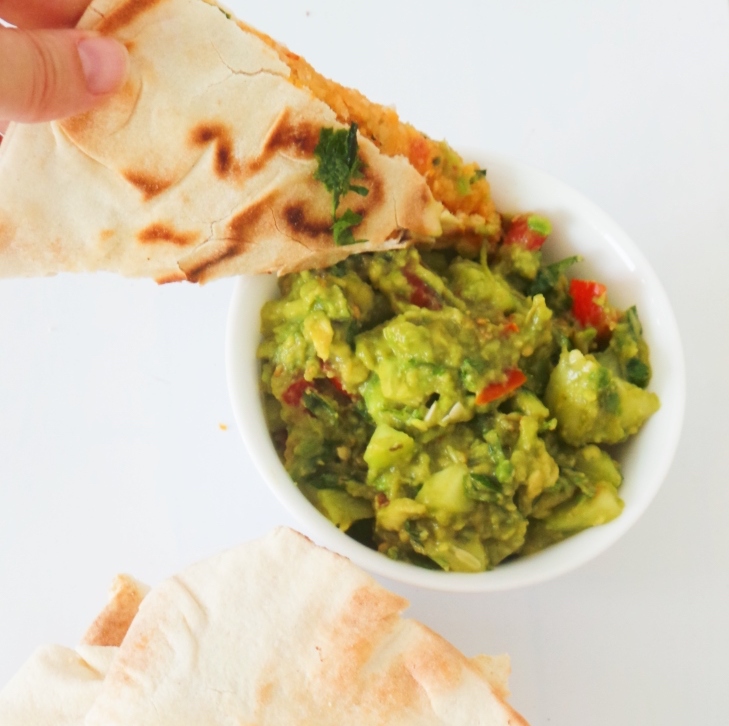
 Laura Lawless, BASc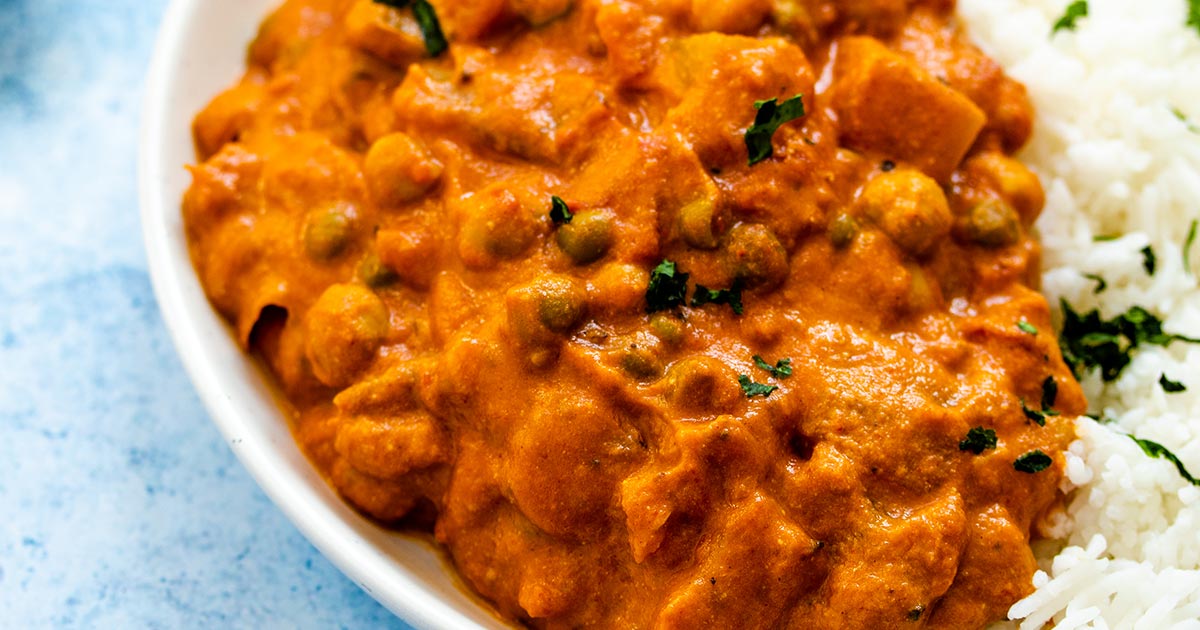
 Dana Minimalist Baker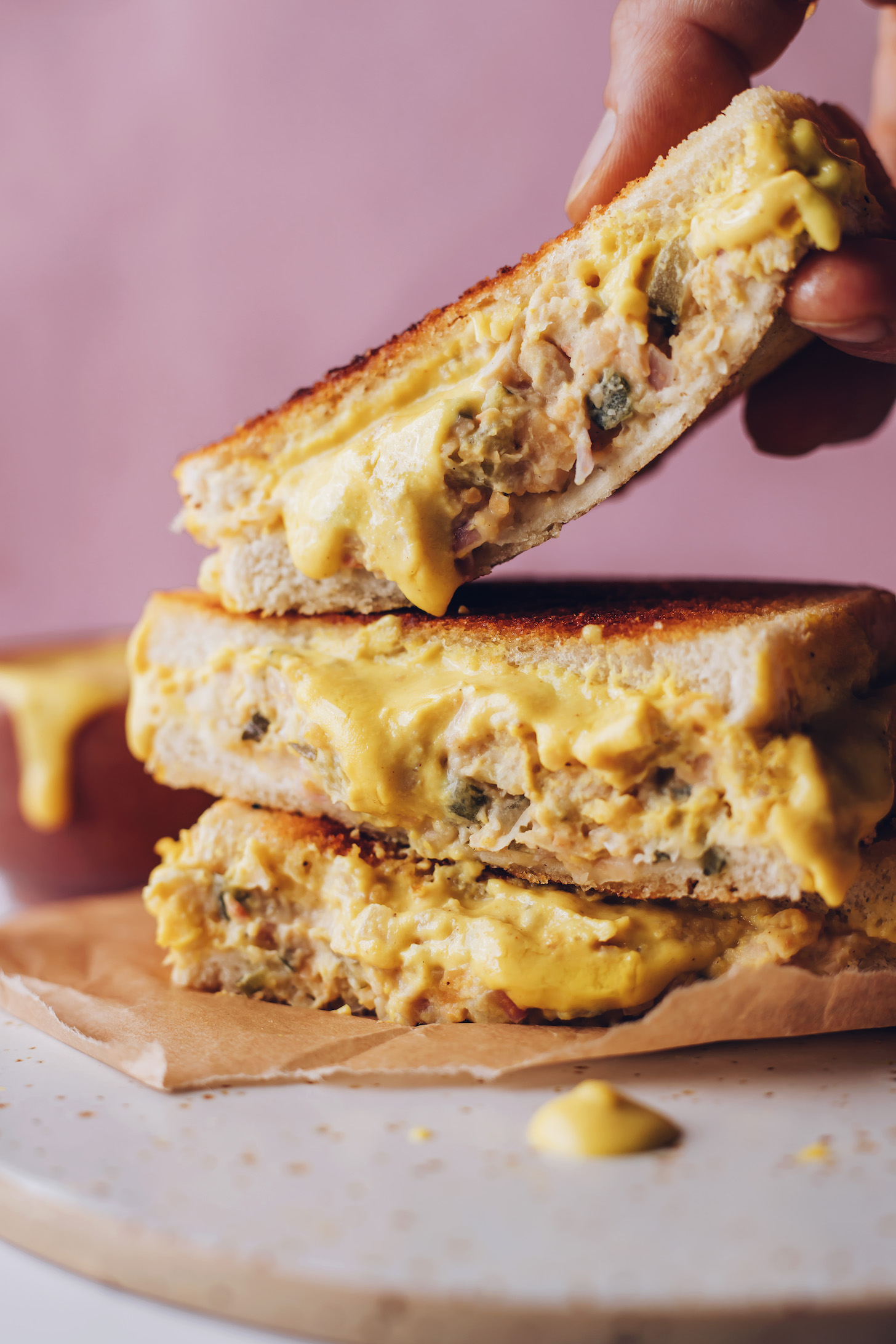
 Carine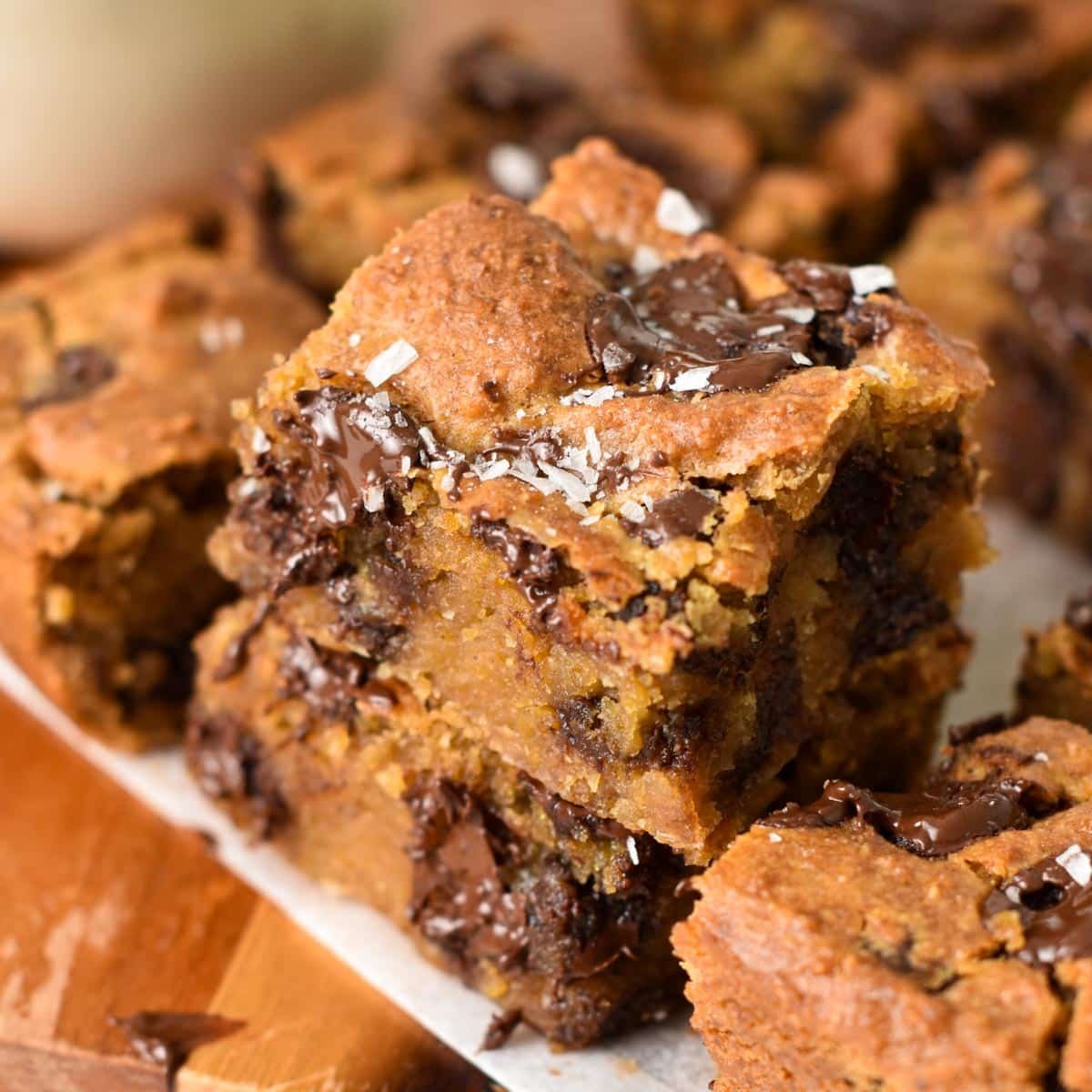
 Kaitlin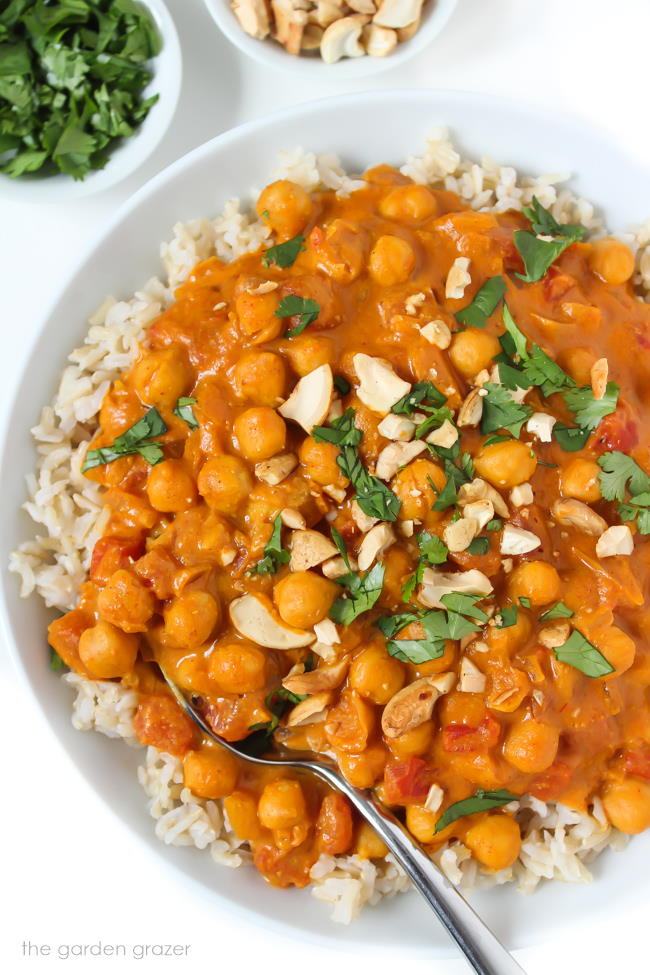
 Eva Agha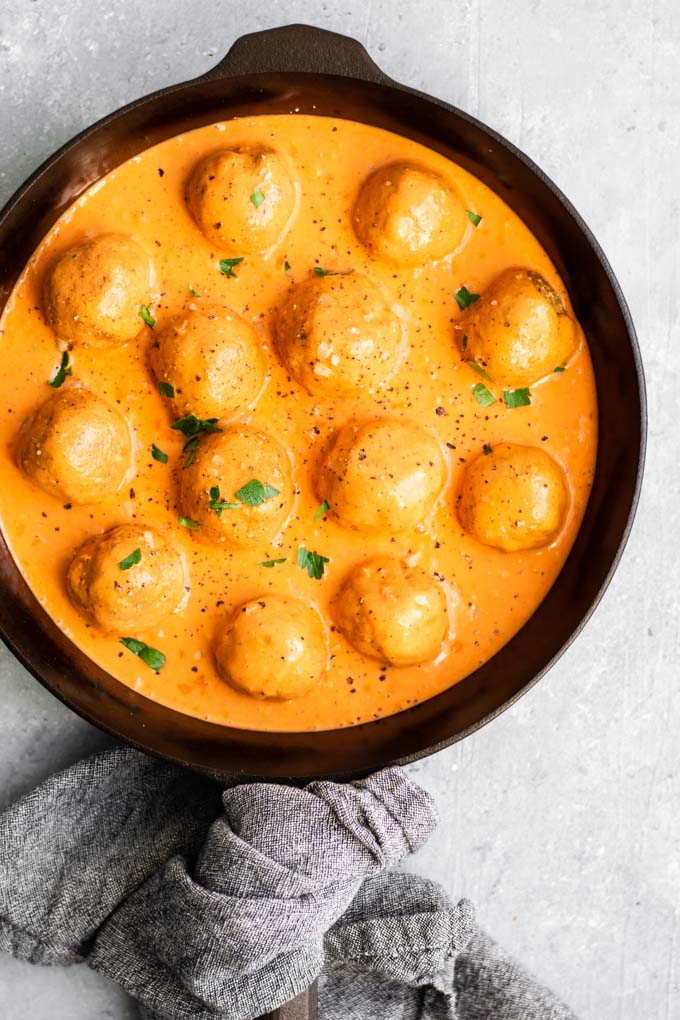
 Ela
Ela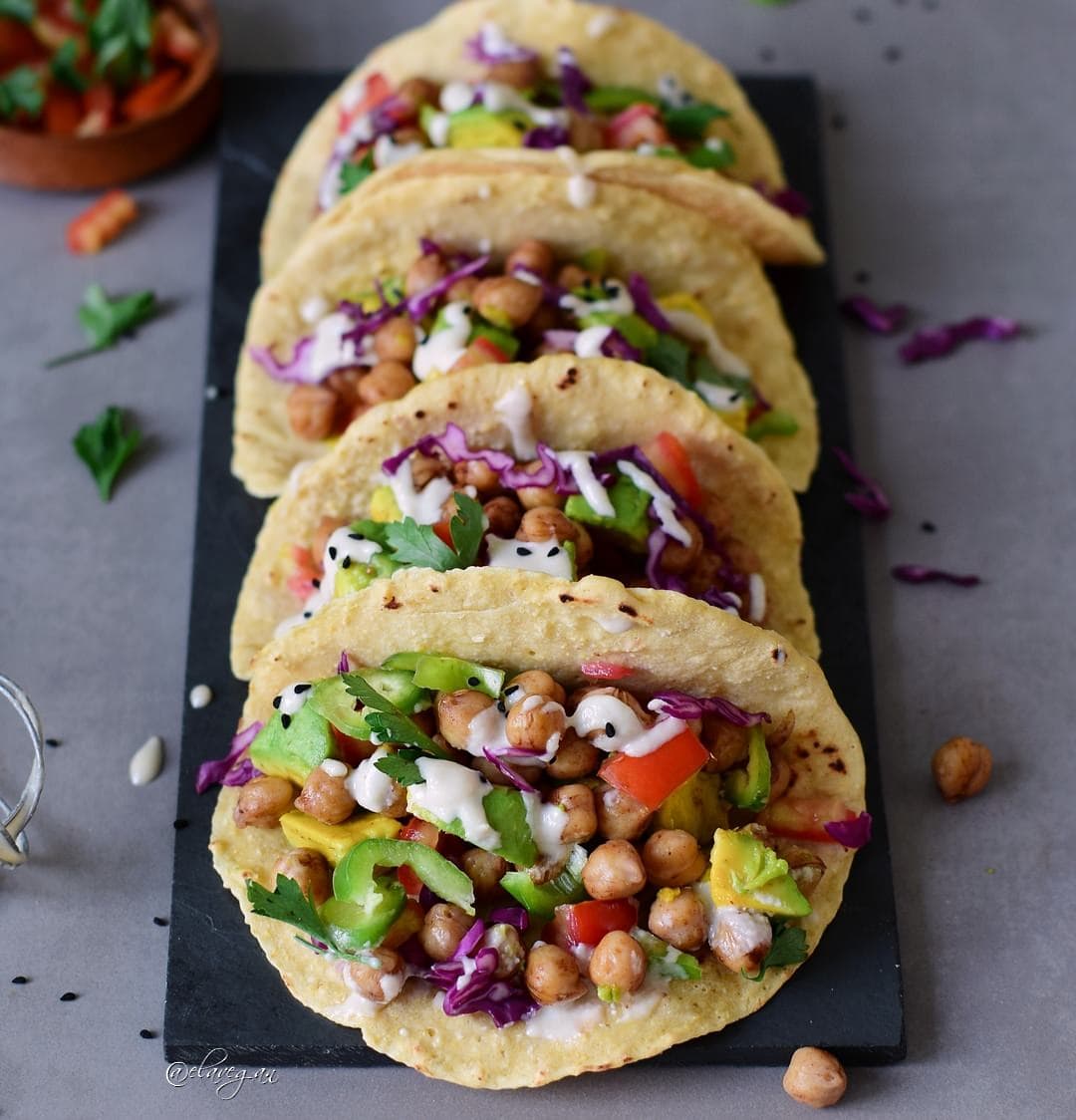
 Deryn Macey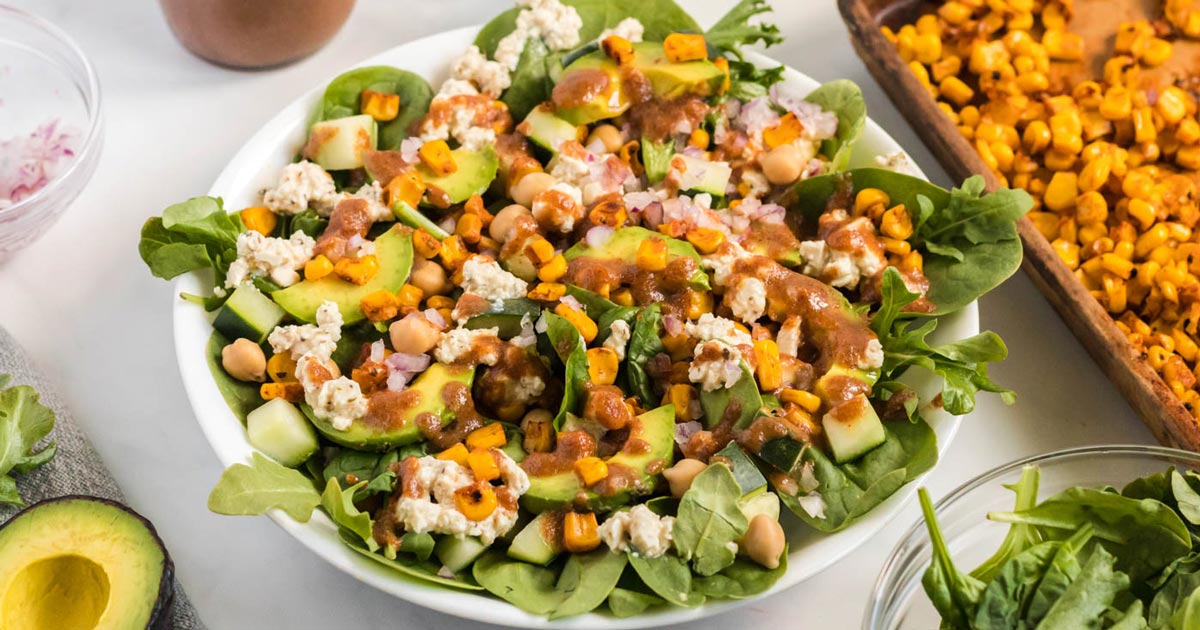
 Stella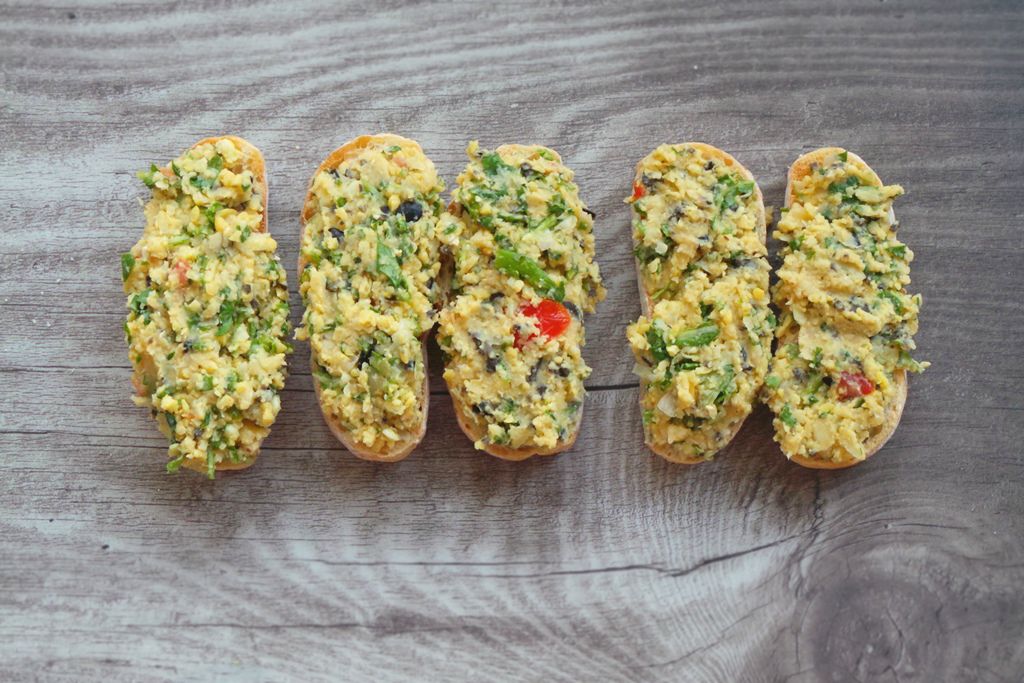
 Lindsay Cotter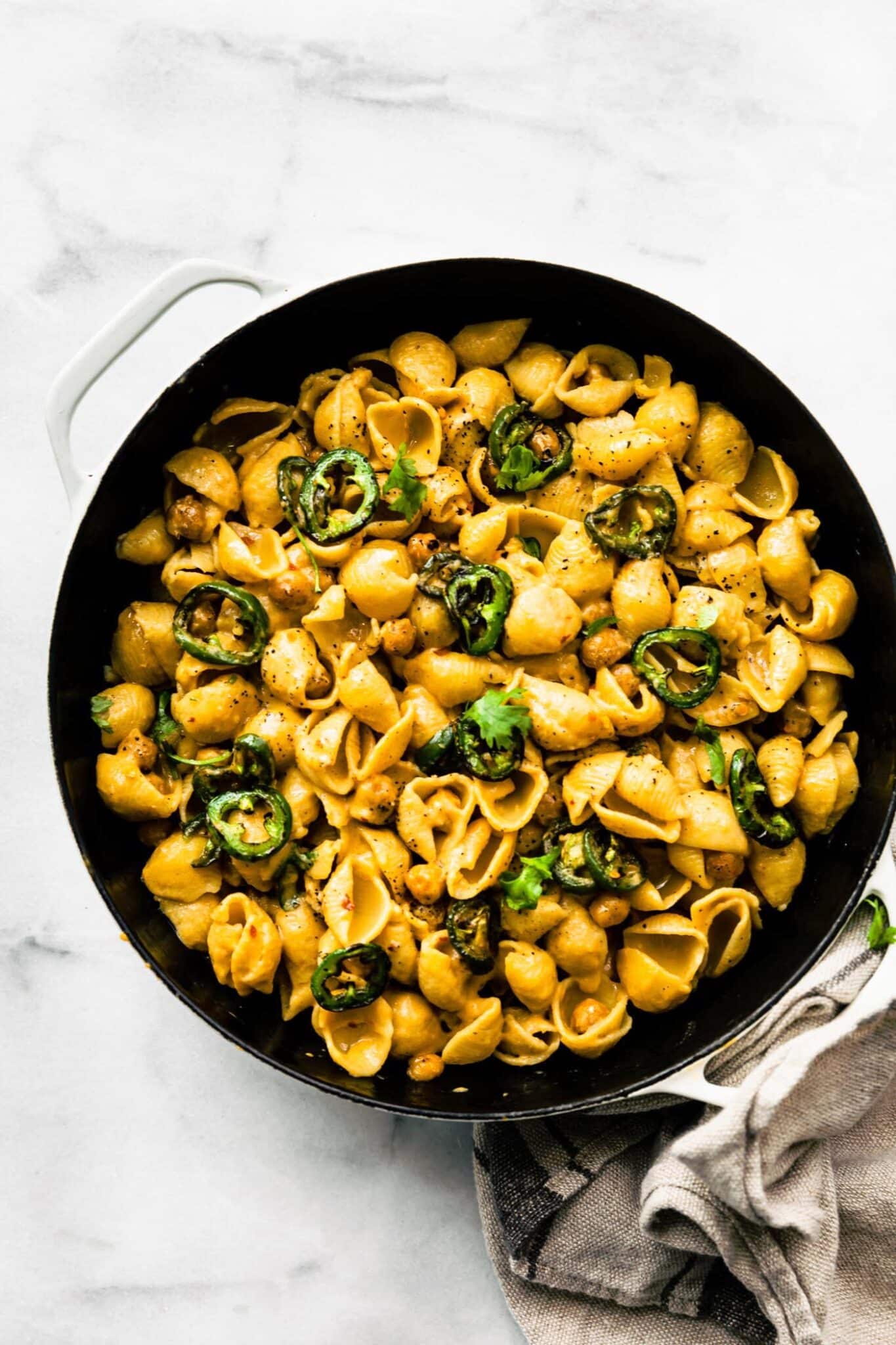
 Elaine Skiadas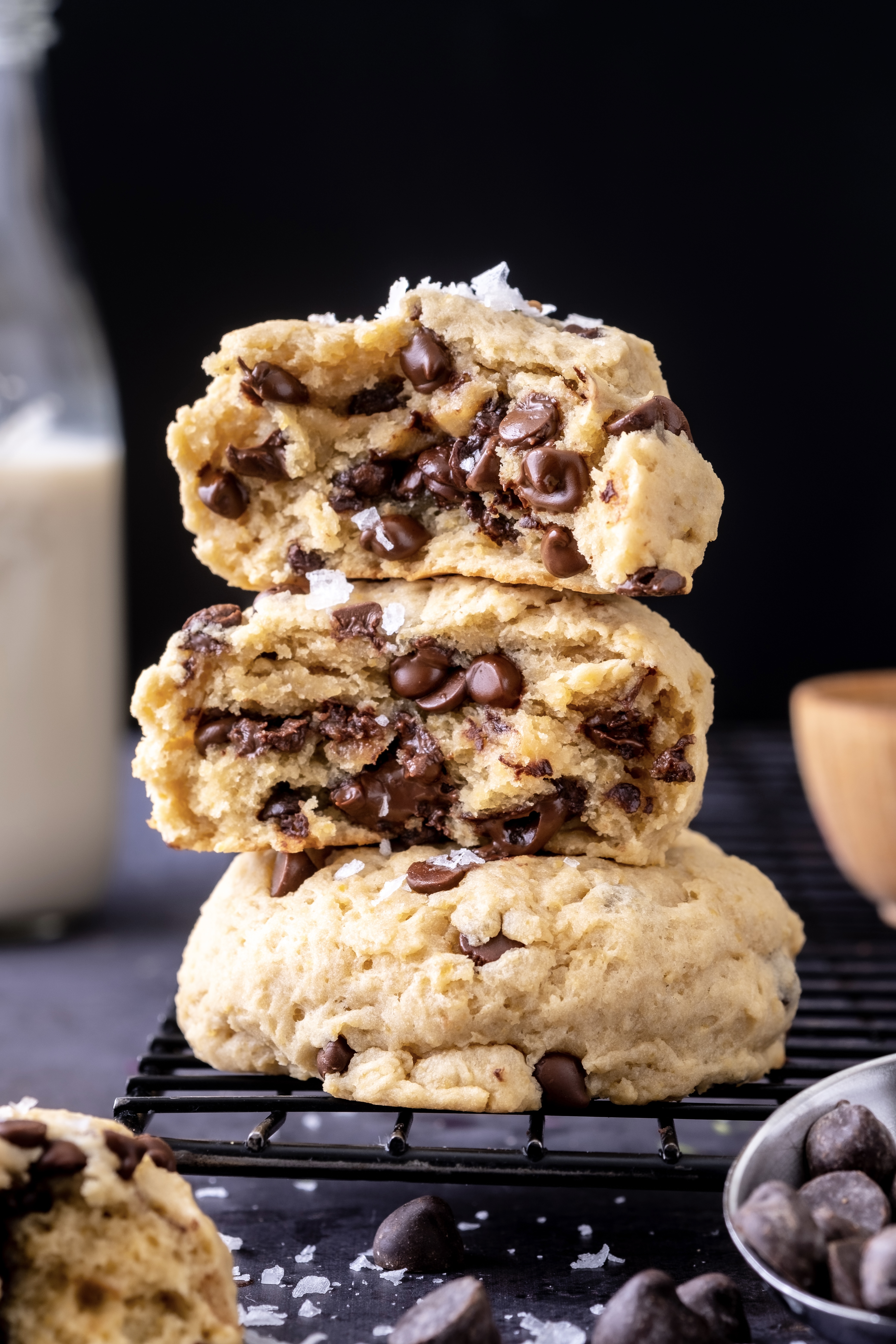
 Claire Cary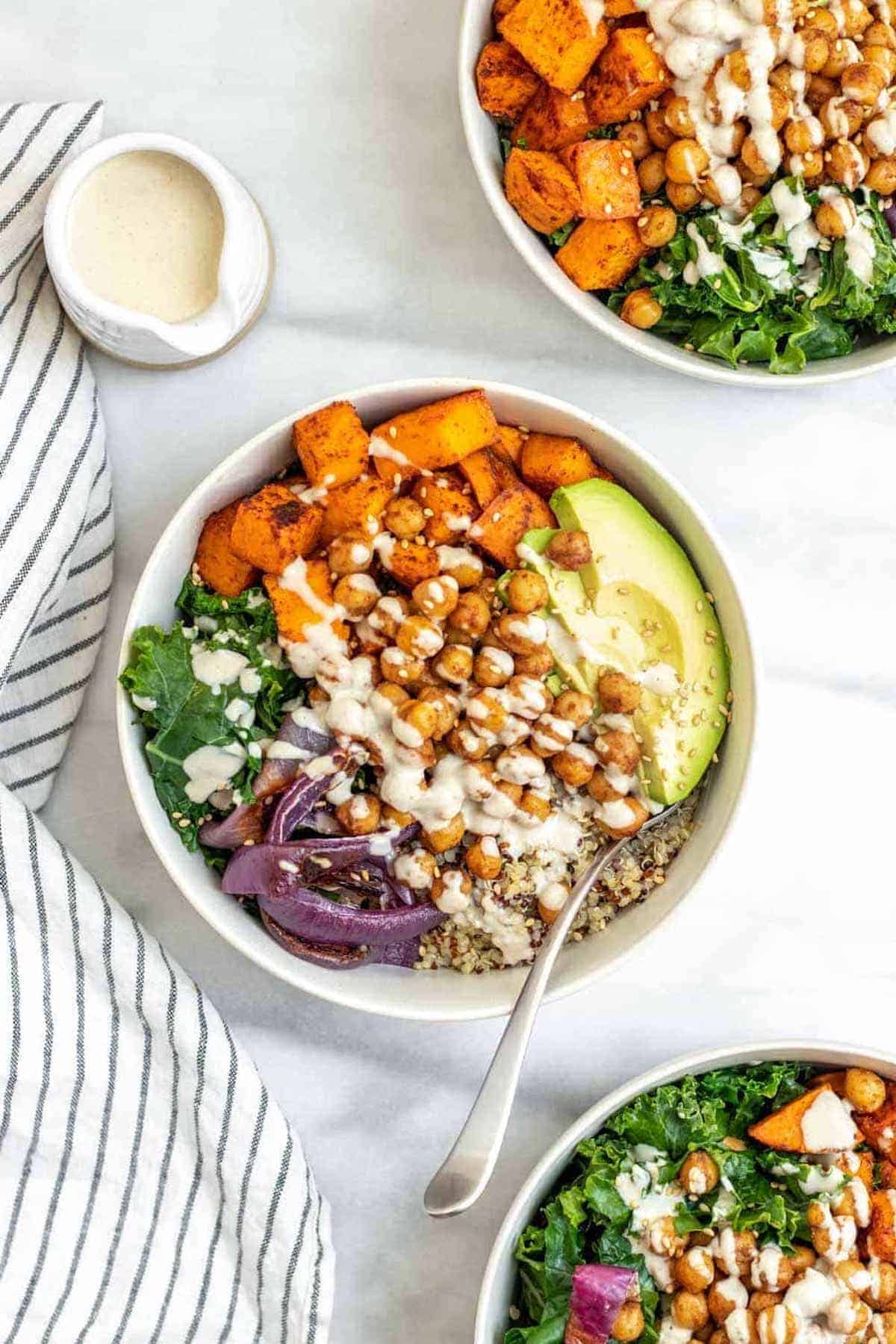
 Eva Agha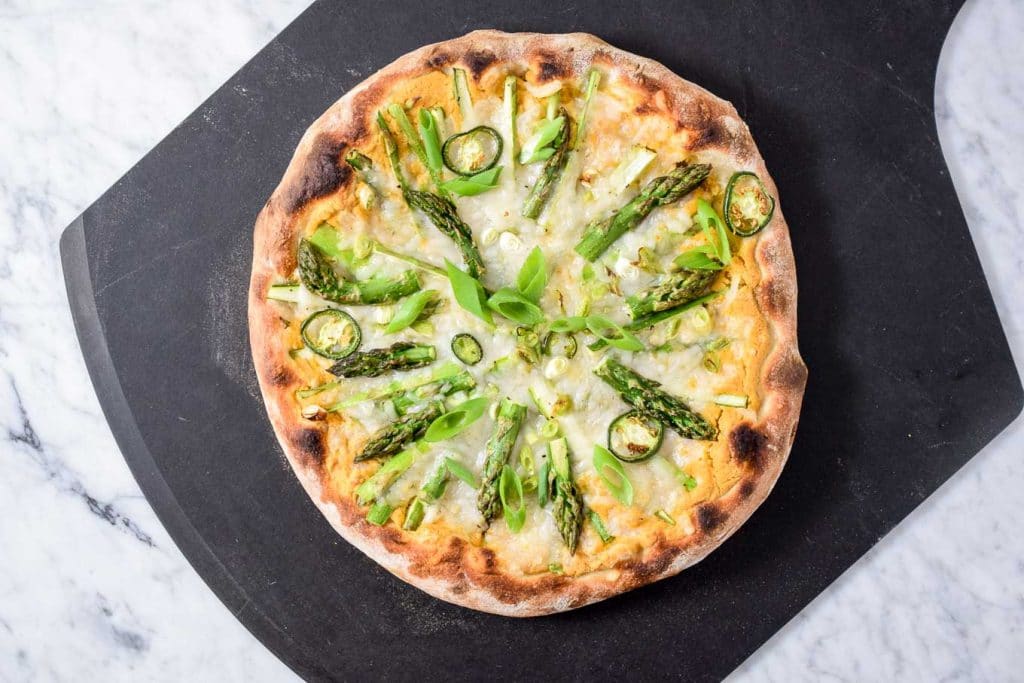

The Mighty Little Legume That Does It All
Chickpeas may be small, but their benefits are substantial. With impressive nutritional value, budget-friendly appeal, and endless recipe possibilities, they prove that simple foods can have a meaningful impact on your health.
Blend them, roast them, simmer them, mash them. However you use them, chickpeas make plant-based eating satisfying, accessible, and nourishing.
If you're building a strong vegan pantry, start here. Keep a few cans or a bag of dried chickpeas on hand, try new recipes, and let this powerhouse legume become one of your most reliable kitchen staples.


More Bean Inspo
 Megan McFadden
 Megan McFadden
 Megan McFadden
 Megan McFadden
 Megan McFadden
 Megan McFadden

Meat Alternatives
 Megan McFadden
 Megan McFadden
 Megan McFadden
 Megan McFadden