
More Than a Rule About Food
Lent is one of the most recognizable seasons in the Catholic Church. For 40 days leading up to Easter, Catholics around the world observe practices meant to encourage prayer, fasting, and almsgiving.
One of the most familiar traditions? Giving up meat on Fridays.
If you've ever wondered why Catholics abstain from meat and what fasting and abstinence actually mean, here's a simple explanation.
As someone who grew up in a Catholic family, attended Catholic school, and now works at a Catholic church, these traditions have been part of my life for many years. Most recently, I even compiled these definitions for a parish bulletin, our weekly printed newsletter about church happenings.
They're simple practices, but they carry centuries of meaning. Let's take a closer look.

What Is Fasting?
In general, fasting is eating less food. In the Catholic tradition, on Ash Wednesday and Good Friday, Catholics between the ages of 18 and 59 who are in good health are asked to:
- Eat one full meal.
- Eat two smaller meals that together do not equal another full meal.
- Avoid unnecessary snacking.
Fasting is meant to be a physical reminder of spiritual dependence—a small, tangible act of discipline during a season of reflection. Here are a few suggestions for what to eat instead of a full meal:
- Granola bar
- Banana or apple with peanut butter
- Handful of almonds, walnuts, or mixed nuts
- Trail mix
- Small bowl of oatmeal
- Toast with almond or peanut butter
- Crackers or veggies with hummus
- Rice cake with almond butter
- Dairy-free yogurt with berries
- Smoothie
- Chia pudding
- Small bowl of lentil or vegetable soup
- Avocado toast (one slice)
- Dates with a few nuts

What Is Abstinence?
Abstinence refers to refraining from eating meat from mammals and poultry. Catholics ages 14 and older abstain from meat on:
- Ash Wednesday
- Good Friday
- Every Friday during Lent
Fish is permitted, which is why church fish fries have become such a well-known Lenten tradition in many communities.
Unfortunately for vegans and vegetarians, that makes their lifestyles a lot more confusing. Here are the main differences:
- Vegans eat 100% plants and 0% animals.
- Vegetarians do not eat animals (chicken, beef, shrimp, etc.), but they eat animal byproducts (dairy, eggs, honey, and more).
- Pescatarians don't eat meat but do consume fish. A pescatarian diet would likely resemble the way Catholics eat during Lent. They are allowed to eat seafood, but they eat meatless most of the time.
 Megan McFadden

Why Meat?
Historically, meat was considered a celebratory or luxury food. Choosing not to eat it was a meaningful sacrifice—a small way to participate in the spirit of penance during Lent.
Abstaining from meat on Fridays also connects modern Catholics to a longstanding tradition.
When my dad was a kid, they did not eat meat on all Fridays, not just the Fridays in Lent. The tradition of abstaining from meat was observed weekly, year-round, as a penance to honor Jesus's crucifixion.
My Catholic school lunches didn't require meatless meals every Friday, but to avoid interfering with Lent, we normally had "meatless" meals on Fridays, including grilled cheese with tomato soup, popcorn shrimp, mozzarella sticks, and mac and cheese.
Even though Meatless Fridays isn't a popular term, it remains one of the most widely practiced religious customs this time of the year.

A Modern Take on Meatless Fridays
While fish fries are still common, Lent can also be an opportunity to expand beyond the usual routine. Meatless Fridays don't have to mean:
- Plain pasta
- Processed convenience food
- Or feeling restricted
They can be nourishing, flavorful, and even exciting.
In fact, they align closely with what many people already embrace through initiatives like Meatless Monday, which encourages plant-based meals once a week for health and environmental reasons.
 Megan McFadden
The beauty of Meatless Fridays is that they create a built-in rhythm—one intentional plant-based day each week.
It's also a great opportunity to try a nearby vegetarian or vegan restaurant. You might never know what your next favorite dish will be unless you leave your options open.

A Simple Guide to Eating Meatless on Fridays
If you want to observe Lent without feeling deprived, here are a few practical tips:
1. Focus on hearty meals
Soups, stews, pasta, and grain bowls feel satisfying and comforting. My go-to meals during meal prep are soups, pasta, and casseroles.
2. Prioritize protein
Beans, lentils, tofu, chickpeas, and white beans help you stay full longer. I also like to incorporate nutritious grains such as quinoa and brown rice, as well as protein pasta.
3. Build flavor
Garlic, olive oil, roasted vegetables, and slow simmering make all the difference. I also like taking advantage of the herb and spice cabinet because herbs and spices are great at adding flavor without the excessive calories.
4. Make it a tradition
Choose a few favorite recipes and rotate them throughout the season. If you would like some help figuring out some, I have some handy dandy meatless recipes that would help you avoid meat on Ash Wednesday and all Fridays during Lent.
 Megan McFadden

A Comforting Place to Start
One of my favorite Meatless Friday recipes is Olive Garden's beloved minestrone.
- It's warm.
- It's hearty.
- It's packed with vegetables, beans, and Italian herbs.
- And it proves that meatless doesn't mean flavorless.
If you're looking for a simple way to honor tradition in the comfort of your own home, it's a perfect place to begin.
 Megan McFadden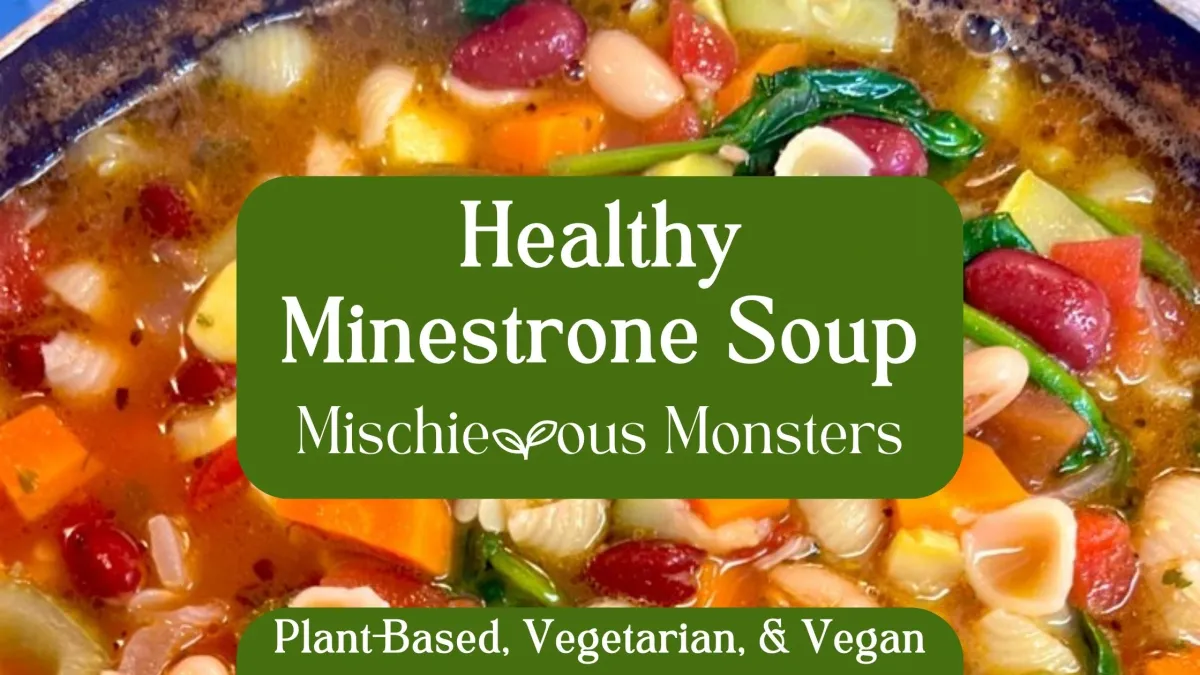

A Tradition That Still Matters
At its core, abstaining from meat on Fridays during Lent isn't really about food.
It's about intention and choosing a small, tangible reminder of something bigger—faith, sacrifice, discipline, reflection, or simply a connection to tradition.
- For some, Meatless Fridays are deeply spiritual.
- For others, they're cultural.
- For many, they're a practical gateway to more thoughtful eating.
Whatever your reason for observing Lent, this season offers an invitation: to slow down, to be intentional, and perhaps to discover that plant-based meals can be just as comforting and satisfying as any tradition you grew up with.
And who knows? What begins as a Lenten practice might just become a year-round habit.

More Meatless Meal Ideas
 Megan McFadden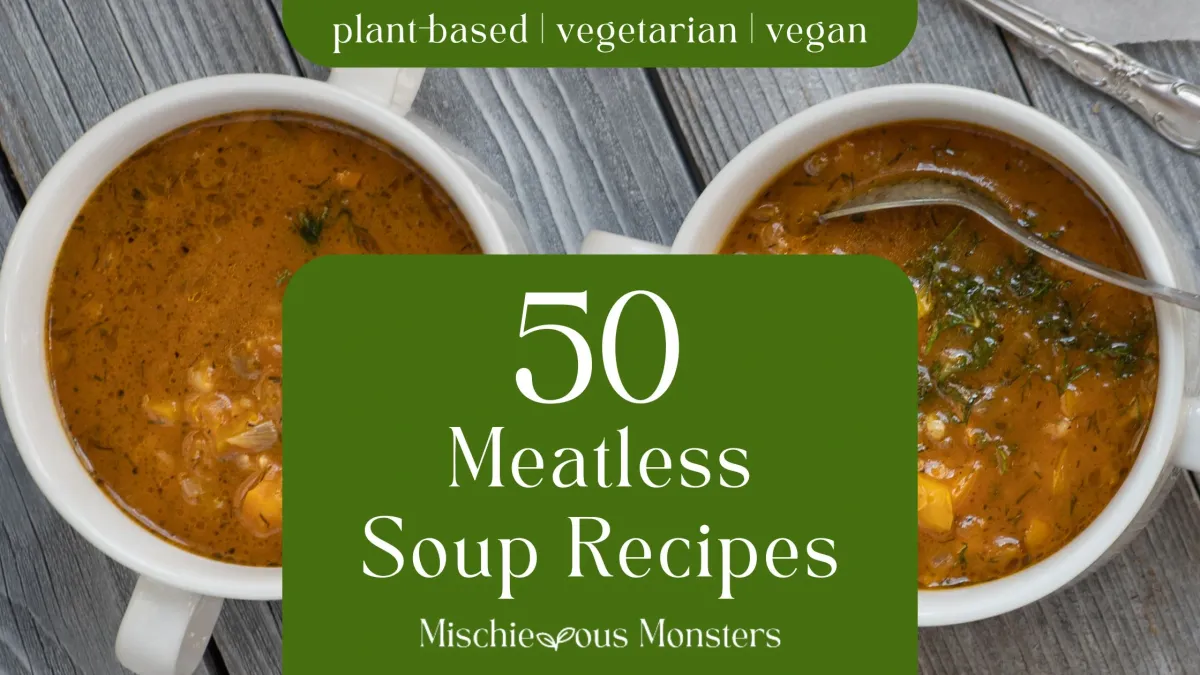
 Megan McFadden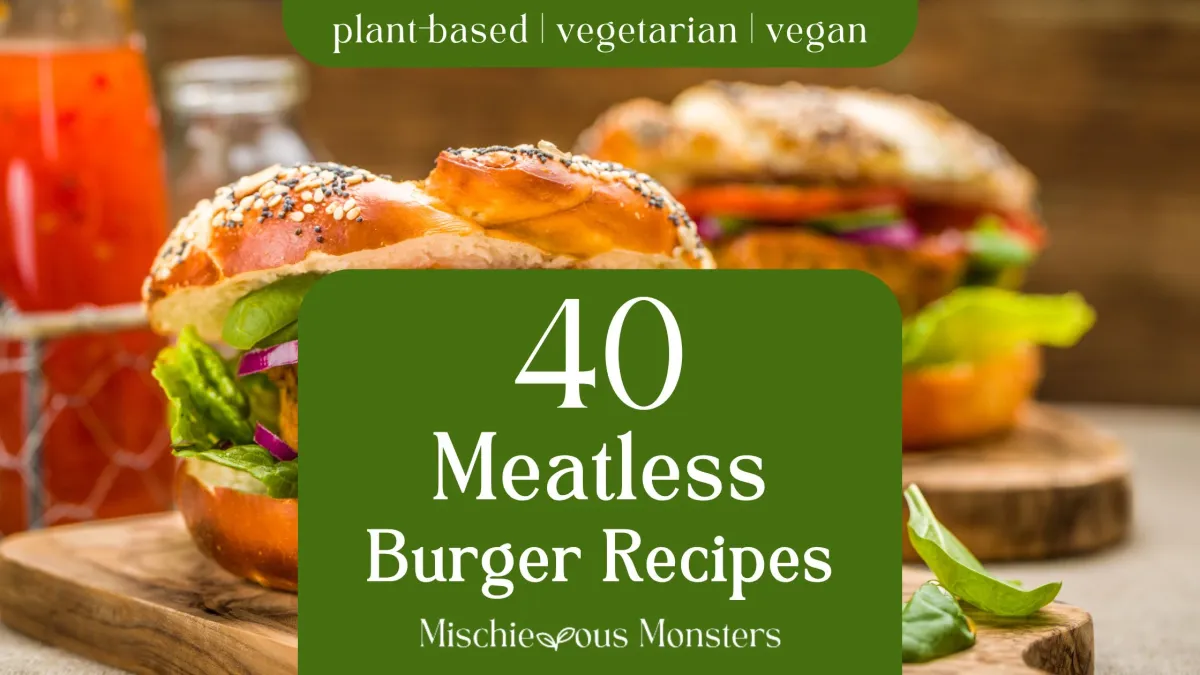
 Megan McFadden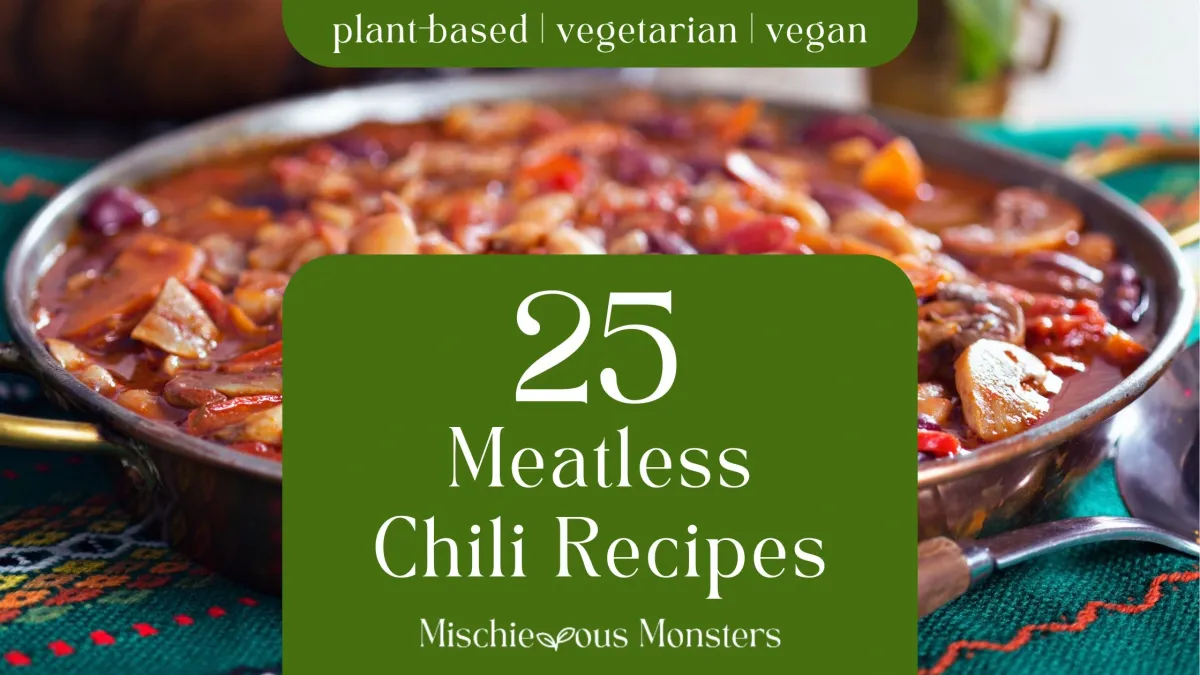
 Megan McFadden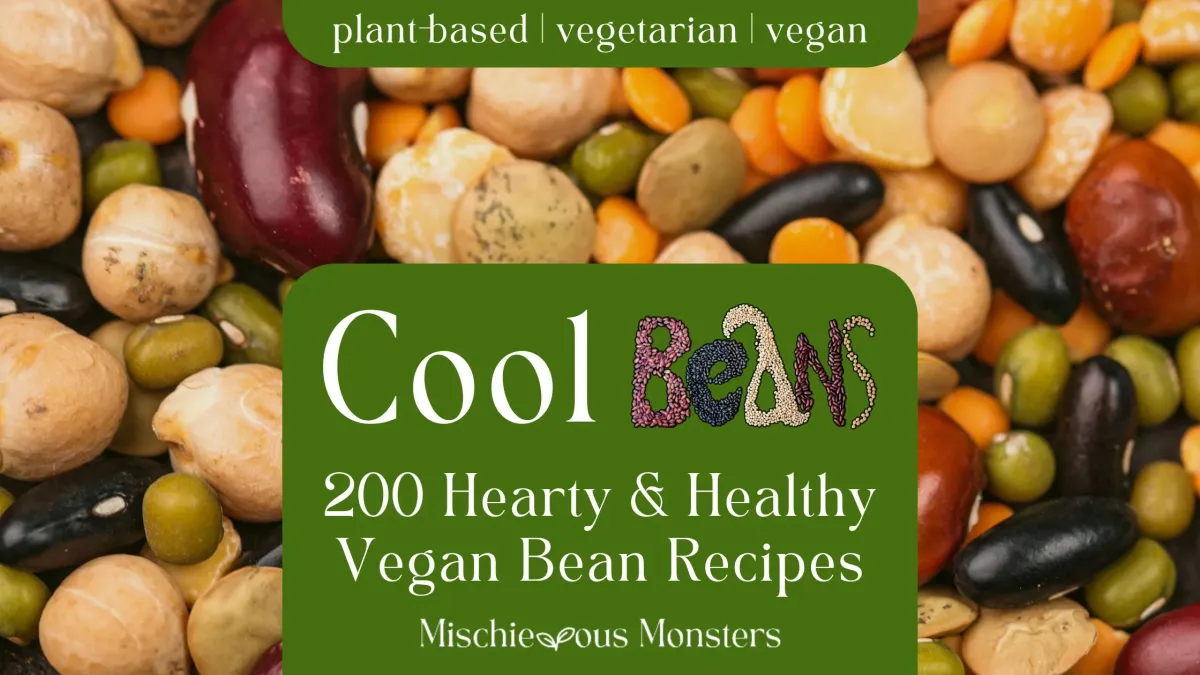
 Megan McFadden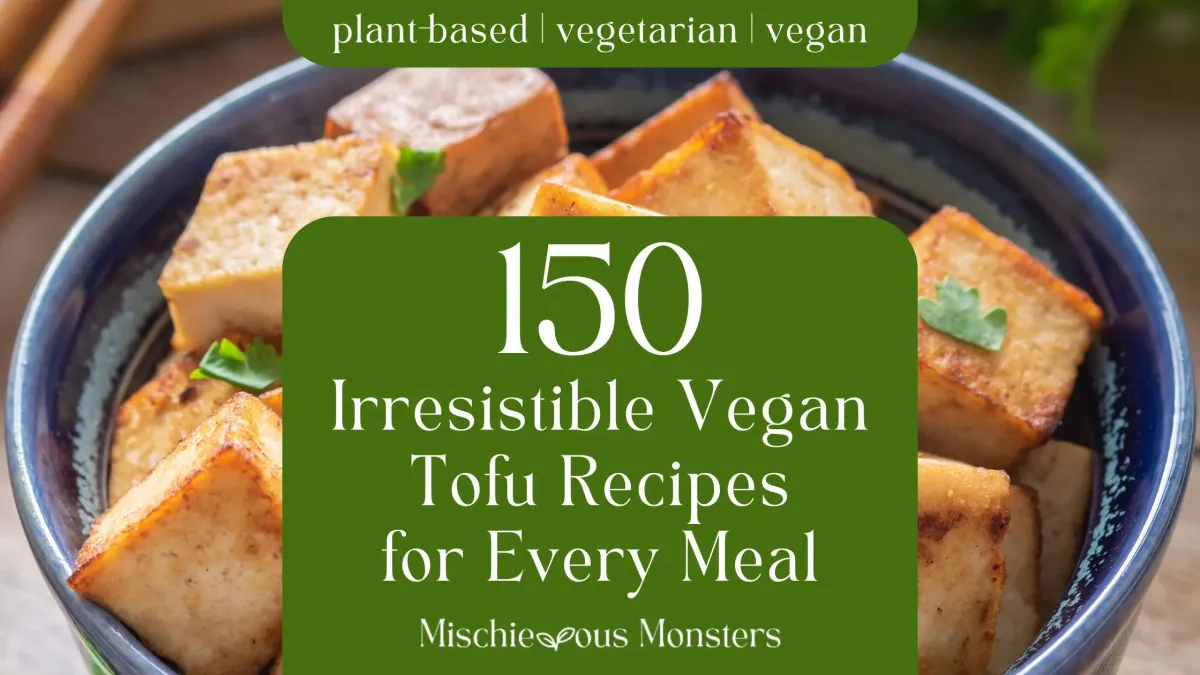
 Megan McFadden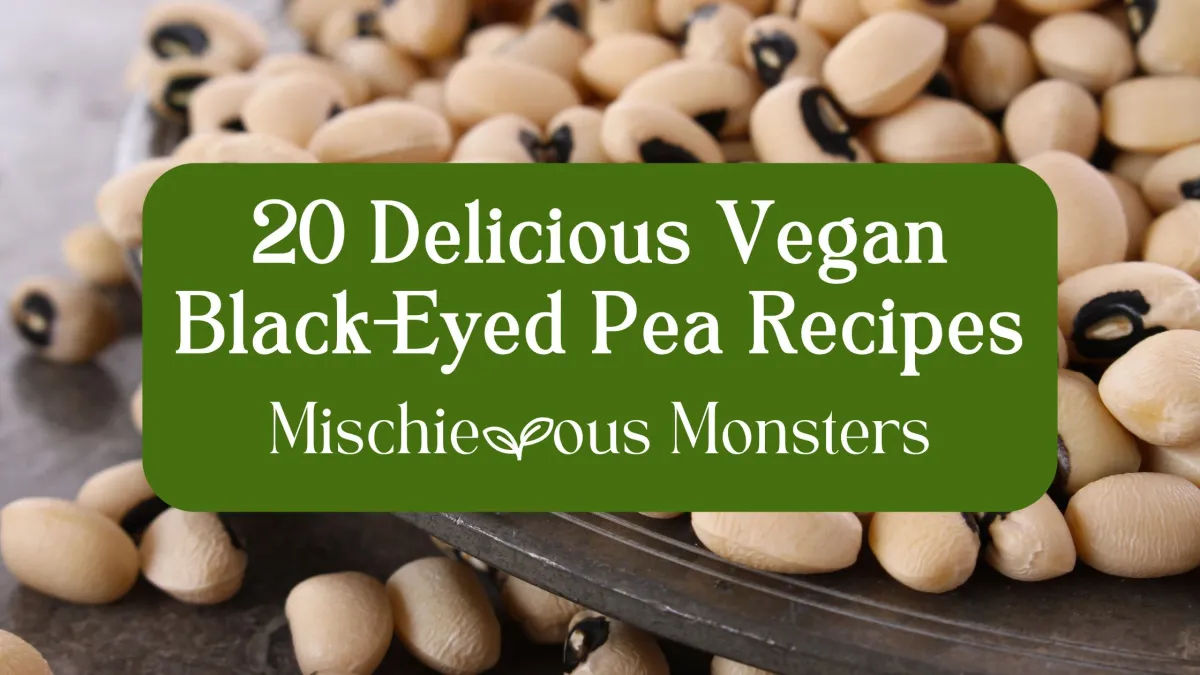
Vegans vs Meat
 Megan McFadden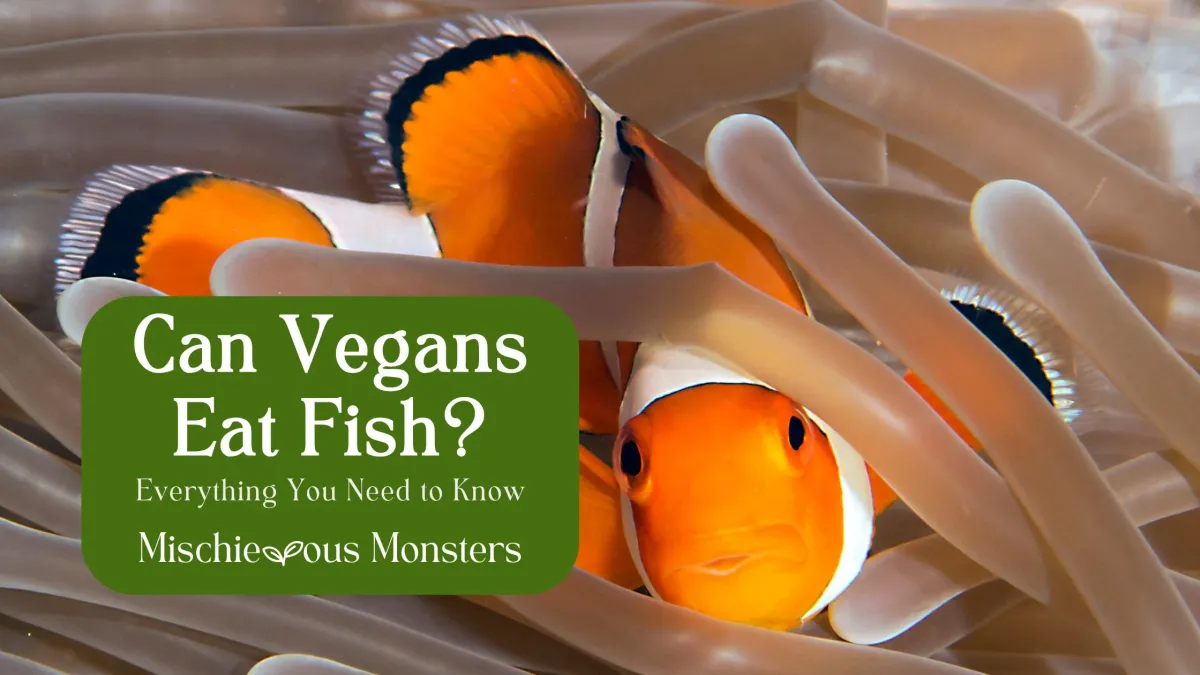
 Megan McFadden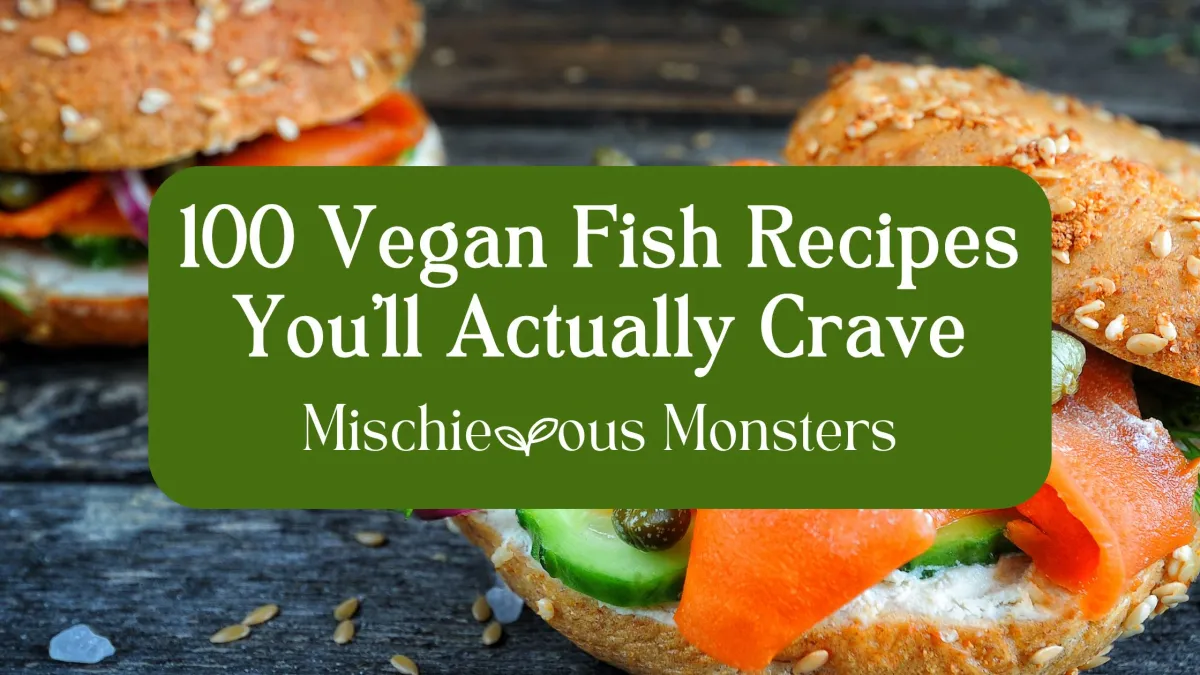
 Megan McFadden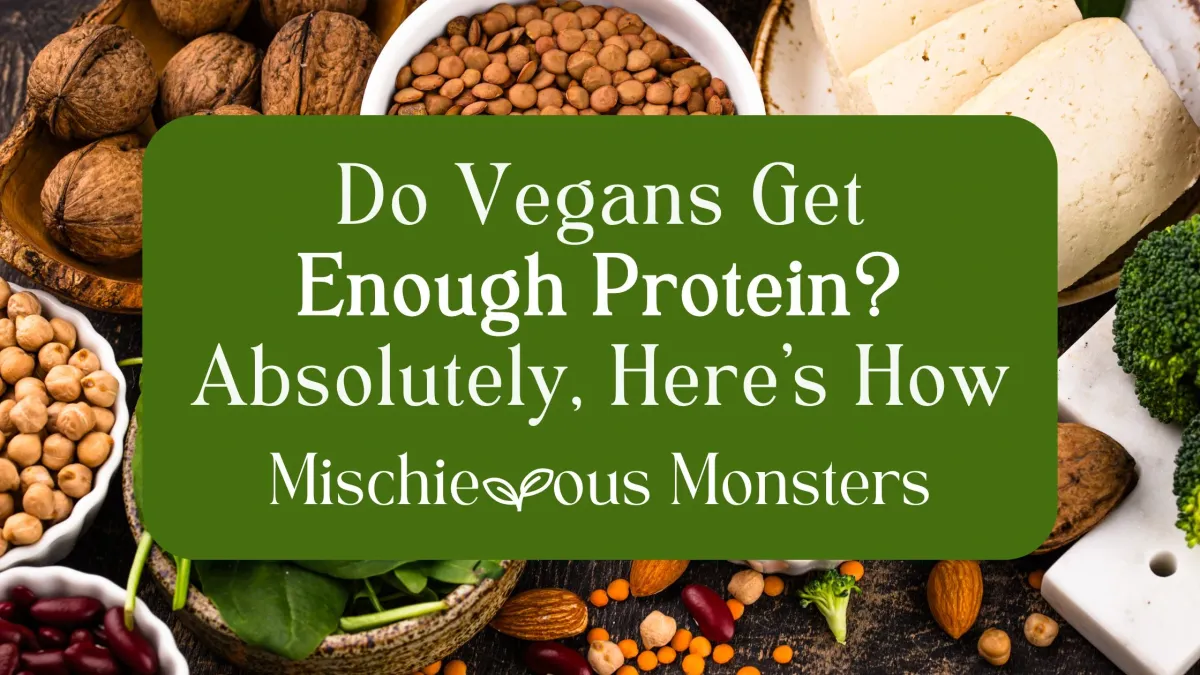
 Megan McFadden
 Megan McFadden
 Megan McFadden